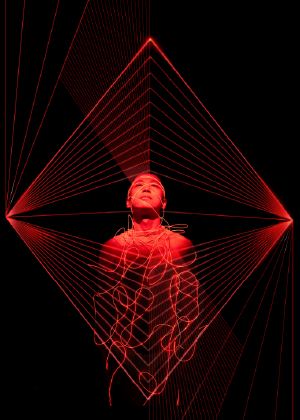
2026北藝嚴選:鄭淑麗 X 東冬・侯溫《遊林驚夢:巧遇Hagay》
Shu Lea Cheang x Dondon Hounwn: Hagay Dreaming
節目介紹
本演出將於觀眾進場時間進行 序幕 - 迎神
我們邀請本演出持票觀眾提早抵達,一起穿越迎神的通道
5/22(五)、5/23(六)19:10-19:28
5/24(日)14:10-14:28
地點:臺北表演藝術中心 球劇場5F前廳
迎神虔敬之心
遙喚根源之靈化煙為路
降臨此地讓此處充滿祢來處的光
北藝中心場館全新功能!不知如何選位嗎?請來點它:劇院視線模擬
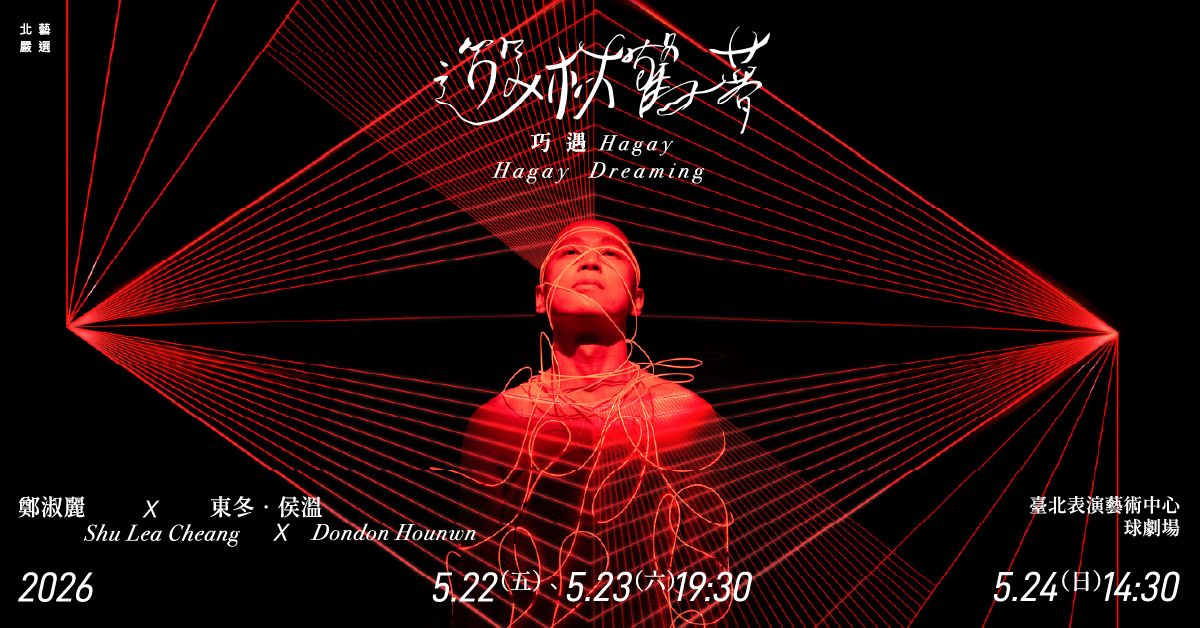
★太魯閣族儀式傳承者暨藝術家東冬・侯溫與新媒體藝術先鋒鄭淑麗攜手創作
★歷經五年醞釀、多國巡演—
2022 花蓮銅門部落演出呈現、林茲電子藝術節(STWST48×8 版本)、國立臺灣美術館「臺灣美術雙年展」
2023 臺北試演場 (劇場試演版呈現)
2024 瑞士與丹麥文化交流演出
2025 泰德現代美術館 (Tate Modern) Dance Reflections Festival正式世界首演
★以科技導航的劇場作品,開啟科技與藝術的對話
★「這是一場光、舞蹈、音樂與吟唱的鮮活幻想,宛如帶領觀眾進入一個迷幻新境界。」
「我不知道我看了什麼,但我感覺我好像做了一場夢,而且是我自己的。」
—— 來自《遊林驚夢:巧遇Hagay》於倫敦 Tate Modern 上演期間的觀眾評論
「出色地抹去了原住民傳統與未來主義之間的界限,巧妙地將古老傳說與先進科技及視覺語言融合在一起,重新詮釋性別二元、過去與未來、自然與科技等既定二分法,展現出『非預設的想像空間』。」——來自數位文化學者 Felix Stalder的評論
「成功地將遠古傳說與當代藝術交織在一起,編織出一個全新卻亙古的情境主權。《遊林驚夢:巧遇Hagay》深具正向力量,帶引觀眾領略跨領域藝術的強大、勇敢與平和。」——臺北表演藝術中心 董事長王文儀
「雖然整場演出以扣人心弦的音樂與科技強化的巧妙編舞呈現,但《遊林驚夢:巧遇Hagay》最終留給觀眾的,是一種無法言喻的渴望。或許,這正是其意圖所在。東冬・侯溫與鄭淑麗邀請觀眾進入 Gaya 的迷人視界,並引導我們思考──該如何將這場夢化為現實。」——來自ArtAsiaPacific的評論
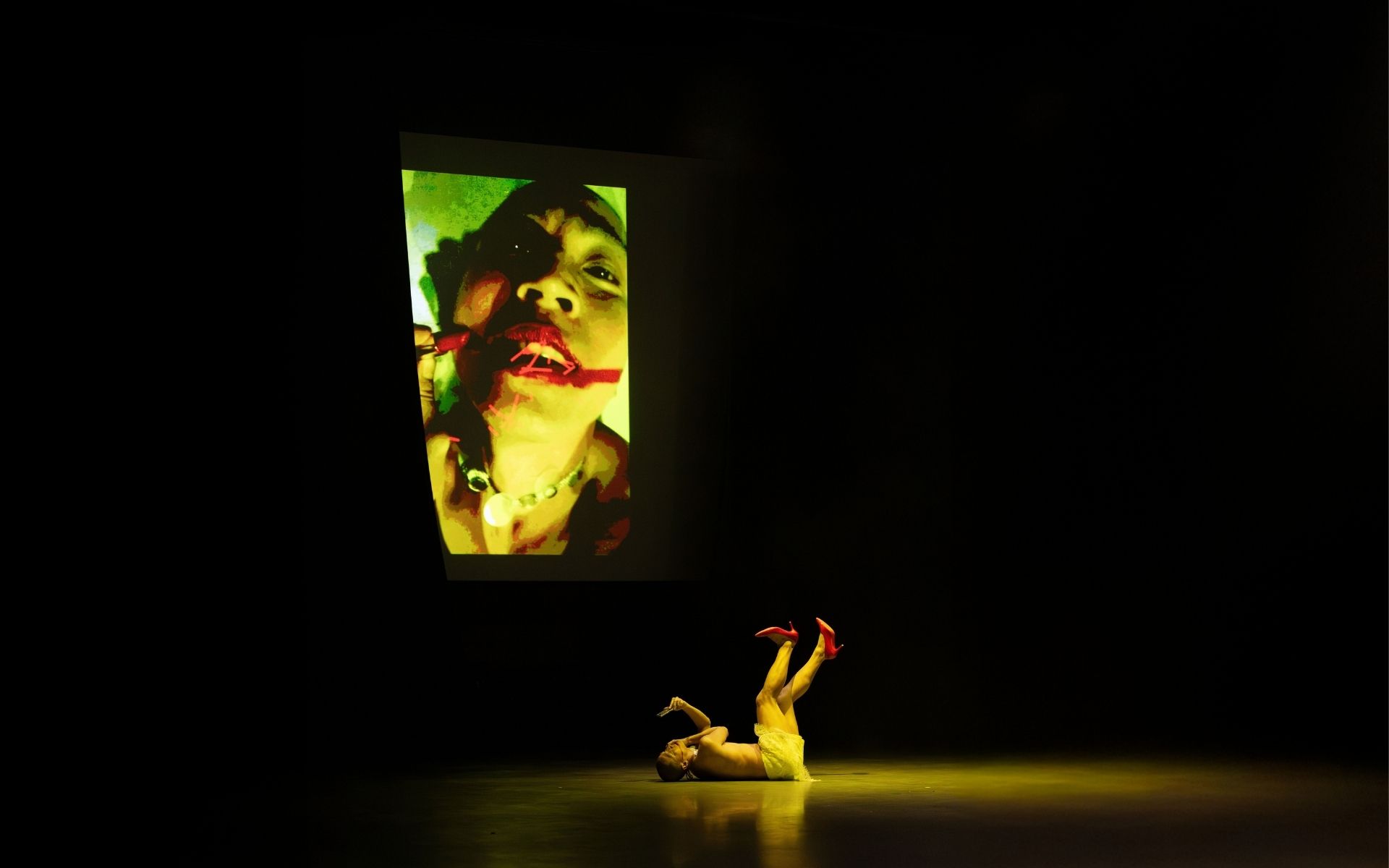
傳說在很久以前,有一個獵人獨自上山打獵,突然遇到了大雨,獵人在森林走著看見了一棵大樹洞,於是他就跑到裡面躲雨,等著等著就睡著了,不知道睡了多久,獵人聽到了蟲鳴鳥叫,雨也停了,他從樹洞中走出來,發現這裡是一處很美的森林,處處閃閃發光。獵人在四周走了一陣,突然發現有一群人,沒有穿衣服的人,他們相擁、交疊,獵人仔細一看,發現他們都是男性,優雅而美麗,他好奇的問:「你們是誰?」眾人回:「我們是Hagay」(在太魯閣族中意指擁有女性特質的男性為 Hagay)。」,獵人開始對他們產生好奇,彼此展開交流……。
由太魯閣族儀式傳承者暨藝術家東冬・侯溫與新媒體藝術先鋒鄭淑麗攜手創作,《遊林驚夢:巧遇Hagay》融合數位、影像、雷射藝術、自我敘述、神話歌謠與原民樂舞,以東冬・侯溫臆造的獵人與 Hagay 靈群傳說為起點,融合Gaya 宇宙法則與Technoshamanism(科技薩滿主義)理念,鄭淑麗則將舞台設計揉引科技化為「編織」與「儀式」的延伸,牽引觀眾進入古老智慧與當代社會的交錯境地。
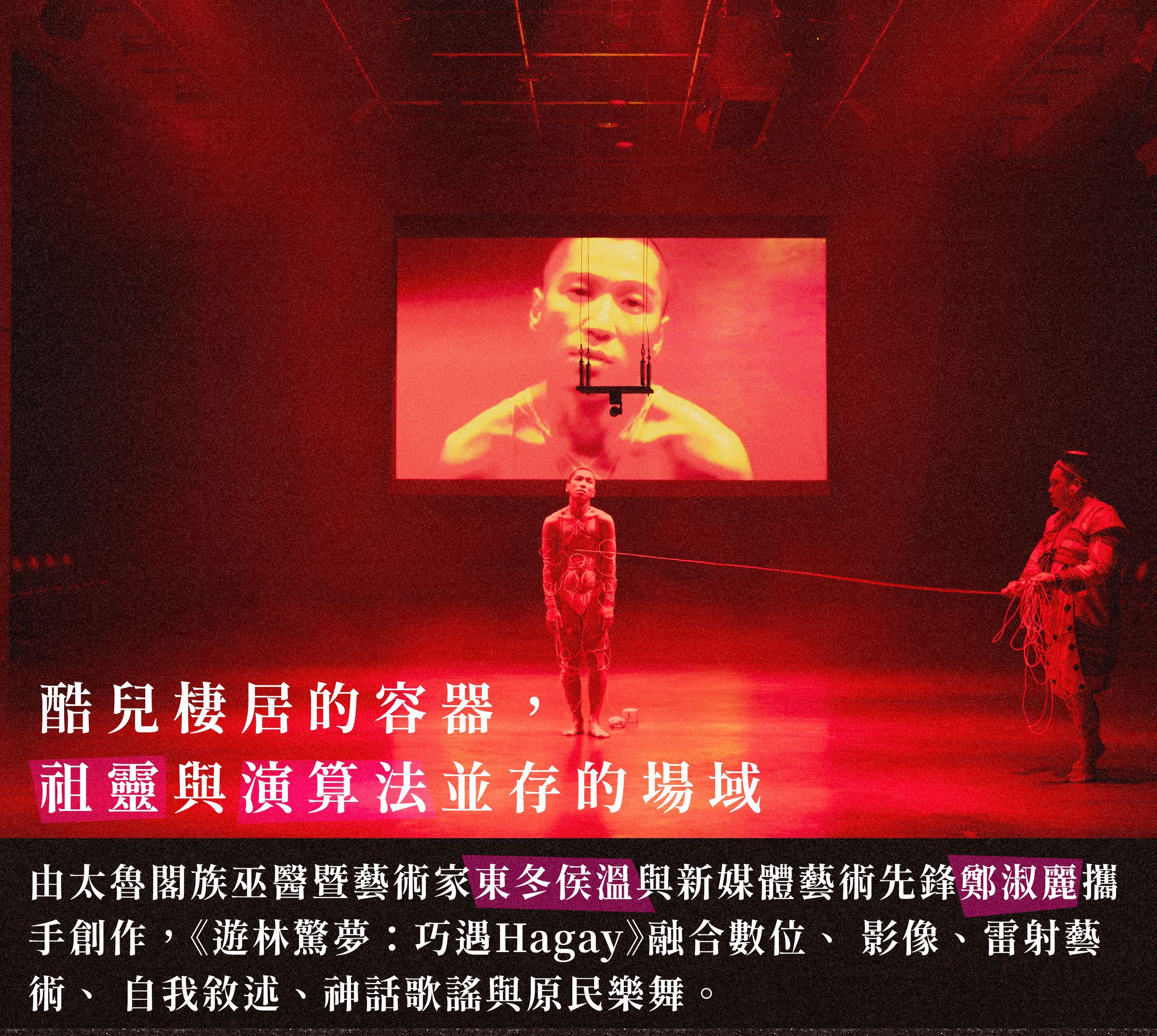
在《遊林驚夢:巧遇Hagay》中,科技不再是理性的冰冷工具,它是藝術家開展儀式的媒介。導演鄭淑麗以東冬‧侯溫的原劇本出發,加入後殖民思考、部落變遷與科技幻想,使舞台設計擺脫實體裝置,轉化為森林移動、蝴蝶飛舞的沉浸式幻境,並巧心運用雷射光束開展Hagay族群與獵人傳遞編織和狩獵知識畫面,而雙人舞踏採用動作捕捉與軟體即時編碼再詮釋性別多元流動。最終以靈橋匯聚所有表演者進入Gaya靈界,也引領觀眾一同走出山林迷走夢境,迎接重生。
東冬‧侯溫進一步宣稱科技不是工具,而是現代巫具,「《遊林驚夢:巧遇Hagay》連結神話與科技、傳統與未來、土地與數位的中間地帶。對世界而言,作品的價值是多重的,它的內涵不接合西方的未來想像,它提出不同於主流科技敘事的觀點,來自原住民世界觀的未來論。而同時作品也為非典型的性別身體發聲,它打開神話中的身體靈性視野,回應當代酷兒與性別議題,讓文化的多元性在身體中被實踐。」
以科技導航的劇場作品,開啟科技與藝術的對話。「《遊林驚夢:巧遇Hagay》在2022年的創作發展中,藝術家張方禹依循著太魯閣族神話文本,運用科技光束建造「靈界光橋」,讓表演者在顏色和能量流動的橋路之間,並以祖靈紋路的菱格圖騰為主體,開發出實體且具規模的反光介質,作為演出段落中的光結構裝置,菱格圖騰散發出的光束,不僅演繹了太魯閣族Gaya的宇宙法則,也象徵祖靈看顧芸芸眾生。而文本中的山林洞穴,則將森林光影環繞在兩面相交的水霧簾幕上,製造出神秘而曖昧的靈界,使得數位訊號與口傳故事匯集,在舞台上開闢一條知覺通道。
《遊林驚夢:巧遇Hagay》同時以其出色音樂、舞蹈、燈光和服裝的設計編排而勾動觀眾心弦,靈界使者由泰雅族的松欣亞(Piho Tusang)演出。 從小跟隨Yaki學習織布, 現任文化樂舞教師, 承擔著保護、發揚族群文化的責任。作為新一代歌者, 她從古調到原民流行音樂,歌聲熱愛傳承,旨在「感動」聽眾,以飽滿的嗓音牽引觀眾進入靈界;來自不同部落與族群的年輕原住民舞者,熱情而富有生命力,他們由兒路帶領學習太魯閣族傳統樂舞與歌謠以及銅門部落傳統樂器,在演出中揉合當代劇場表演與行為藝術,獨特詮釋太魯閣族傳統儀式與樂舞展演,為傳統與當代的原住民的身體影像與語言,注入全新而深刻的觀點。另網羅各領域優秀創作者,如燈光設計何定宗、服裝設計陳劭彥、音樂創作與演奏張幼欣,他們帶著各自的生命經驗與美學技術融入這場夢,使得《遊林驚夢》不是一條筆直的坦途,而是收納進群體潛意識的曲折匯流,穿越地域與時間,神話於是臨在,觀眾得以循著一條分支,在如夢之夢中,找著自己的聲音,持續流動。
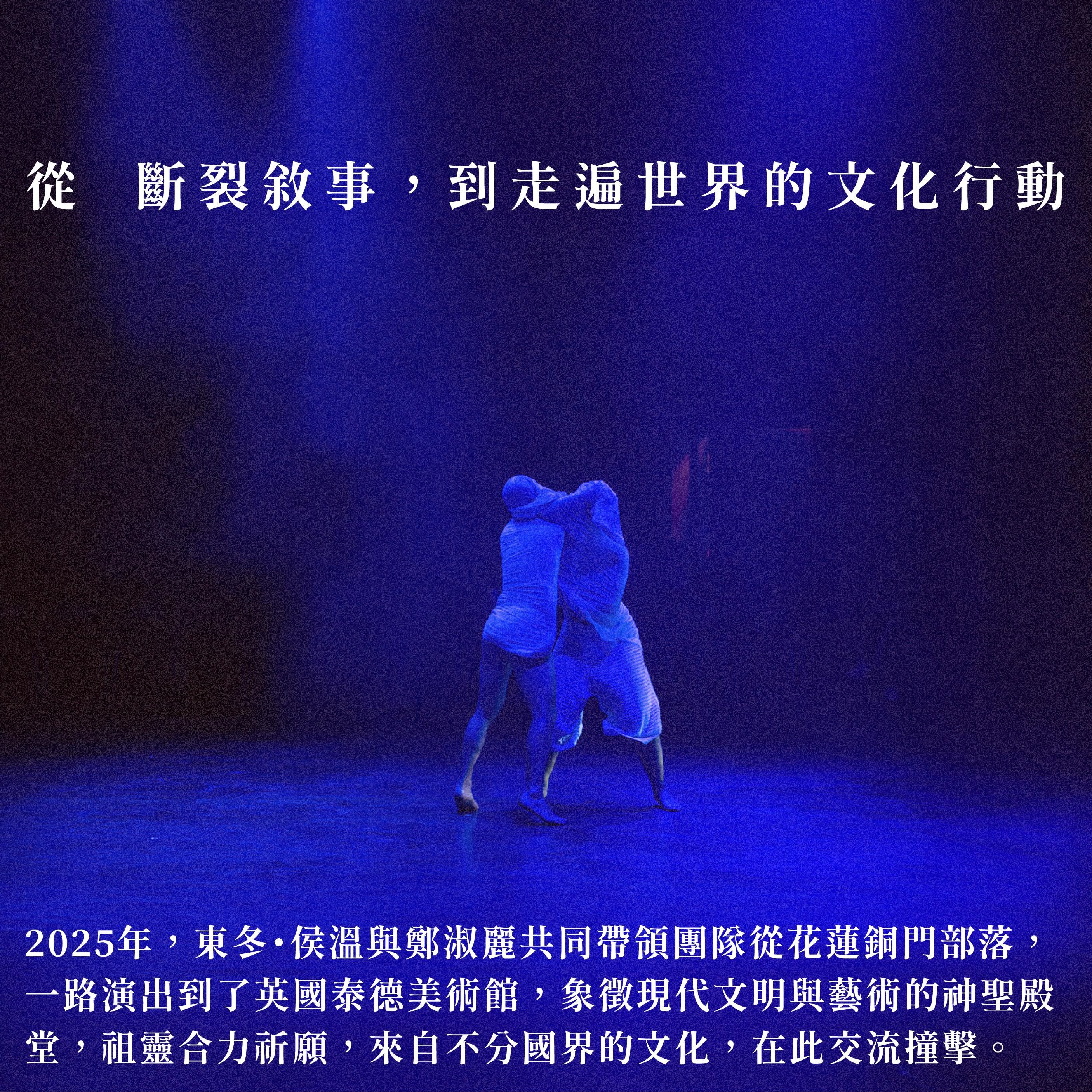
「那一夜,燈光如霧,觀眾靜靜地站在我們編織的夢中,那是一場沒有對白,卻充滿聲音的儀式。從部落到泰德,這不是一條線性的旅程,而是一圈圈不斷擴散的漣漪。」—東冬・侯溫
《遊林驚夢:巧遇Hagay》自2020年底成型於Lab Kill Lab,歷經花蓮銅門部落與奧地利林茲多瑙河畔的戶外版本演出、2022臺灣美術雙年展國美館室內試演、2023年臺北試演場劇場版第一階段呈現、2024年夏末瑞士與丹麥三地的「Living Gaya Dreaming Hagay」演出交流,在劇作開始萌芽的五年後,《遊林驚夢:巧遇Hagay》邁向完成大型劇場完整版本的最後一哩路,完整劇作於2025年三月於倫敦泰德現代藝術館的舞蹈藝術節舉行世界首演。走遍世界,2026年終於回到臺灣臺北表演藝術中心展開在地首演。這是一場修復文化與重建精神的儀式,觀眾不需要完全看懂《遊林驚夢:巧遇Hagay》,但你能感受心與土地團聚的渴望,也不急著在此處釐清或定義什麼,但你的在場感受,就是一條線索,關於如何找著自己的路徑、自己的聲音。
【延伸閱讀】
◆ 一場來自靈界的春夢:《遊林驚夢:巧遇Hagay》的酷兒神話
◆ 科技作為 Gaya 的化身:自《遊林驚夢:巧遇 Hagay》反思未來主義
◆ 一起作夢,該有多美?他們在《遊林驚夢》裡搭建一座人人都可遊走與感悟的夢中之林
◆ 一路走回祖先的「至美之地」:專訪《遊林驚夢:巧遇Hagay》主創團隊
◆ 【VERSE】你是過去,你是未來,你更是現在: 《遊林驚夢:巧遇Hagay》成跨界新物種
◆ 【釀電影】性別之外,存在面前──淺談劇作《遊林驚夢:巧遇 Hagay》
◆ 【人物筆記】科幻酷兒電影四部曲:慾望、科技與反叛—鄭淑麗的影像世界|講座側記
◆ 一個神話的、跟一個當代處境的交集:鄭淑麗與東冬‧侯溫創作對談
◆關係的織理與超越: 從《哈勇家》到《遊林驚夢》,重探原住民族宇宙政治的藝術實踐
【藝術家簡介】
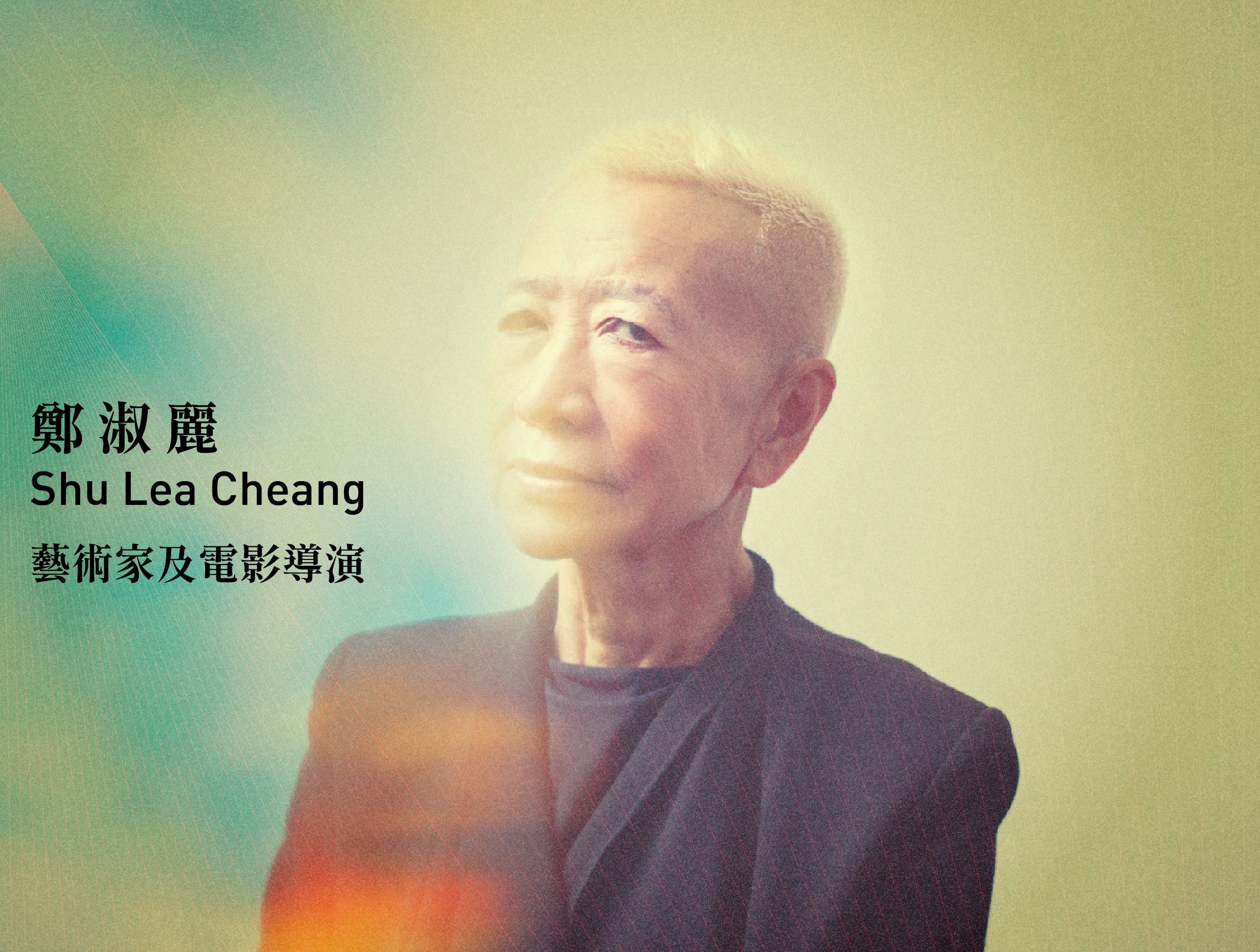
創作媒材多元,如底片、錄像、裝置藝術、網路空間等,多探討族裔刻板印象、性政治、流行媒介、建制化權力,以及數位資訊時代下的人類生活。
作品〈布蘭登〉(BRANDON,1998-99)為美國紐約古根漢美術館首件委託創作及收藏之網路藝術作品。2019年,她以複合媒材裝置作品〈3x3x6〉代表台灣參與第58屆威尼斯雙年展。2020年,她獲得了美國古根漢獎學金製作病毒另類實境科幻的電影《UKI》,並於2023年六月底在Filmfest München世界首映,接著進行國際巡迴放映。2024年她獲LG古根漢獎,肯定她對新興技術及其更廣泛的社會影響的先見之明。從2020年策劃《LAB KILL LAB》發起《遊林驚夢:巧遇Hagay》創作,並擔綱劇場版導演。
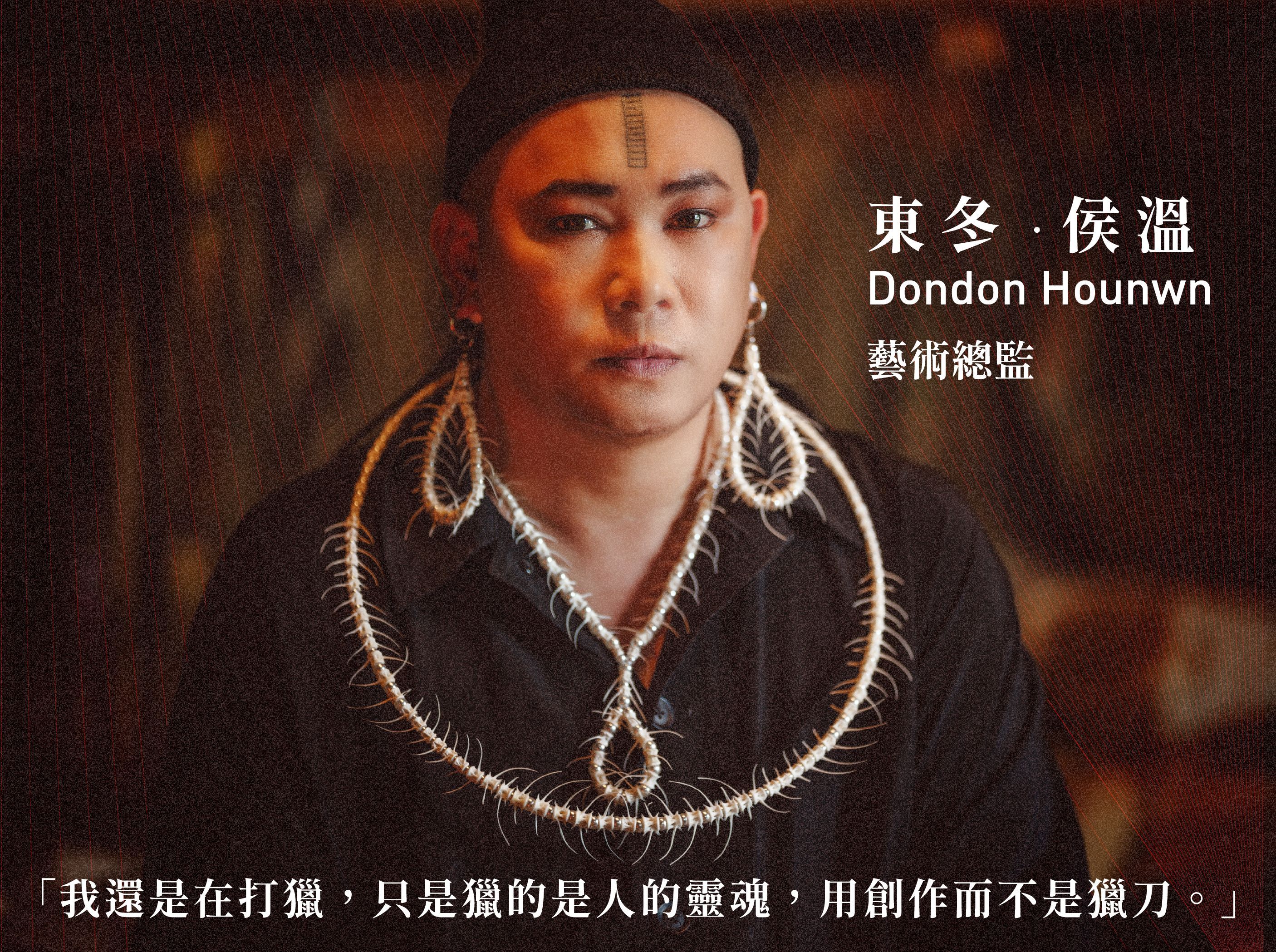
銅門部落太魯閣族,靈界與人間、部落與藝術、當代與傳統之間的橋樑,是口簧琴、歌謠及儀式的傳統傳承者,同時也是行為表演、影像藝術、環境劇場的跨界藝術創作者,作為兒路創作藝術工寮創辦人,帶領各族群年輕人以創新的方式傳遞原民文化。近年擔任2025《Gaya:當代轉生術》策展人、2022《Msqun聚人計畫:轉生時刻》策展人、2021 「mapaluktnbarah路 折枝」 Pulima藝術節同盟關係成果展總策展人。自2020年開啟《遊林驚夢:巧遇Hagay》創作。
【About the work】
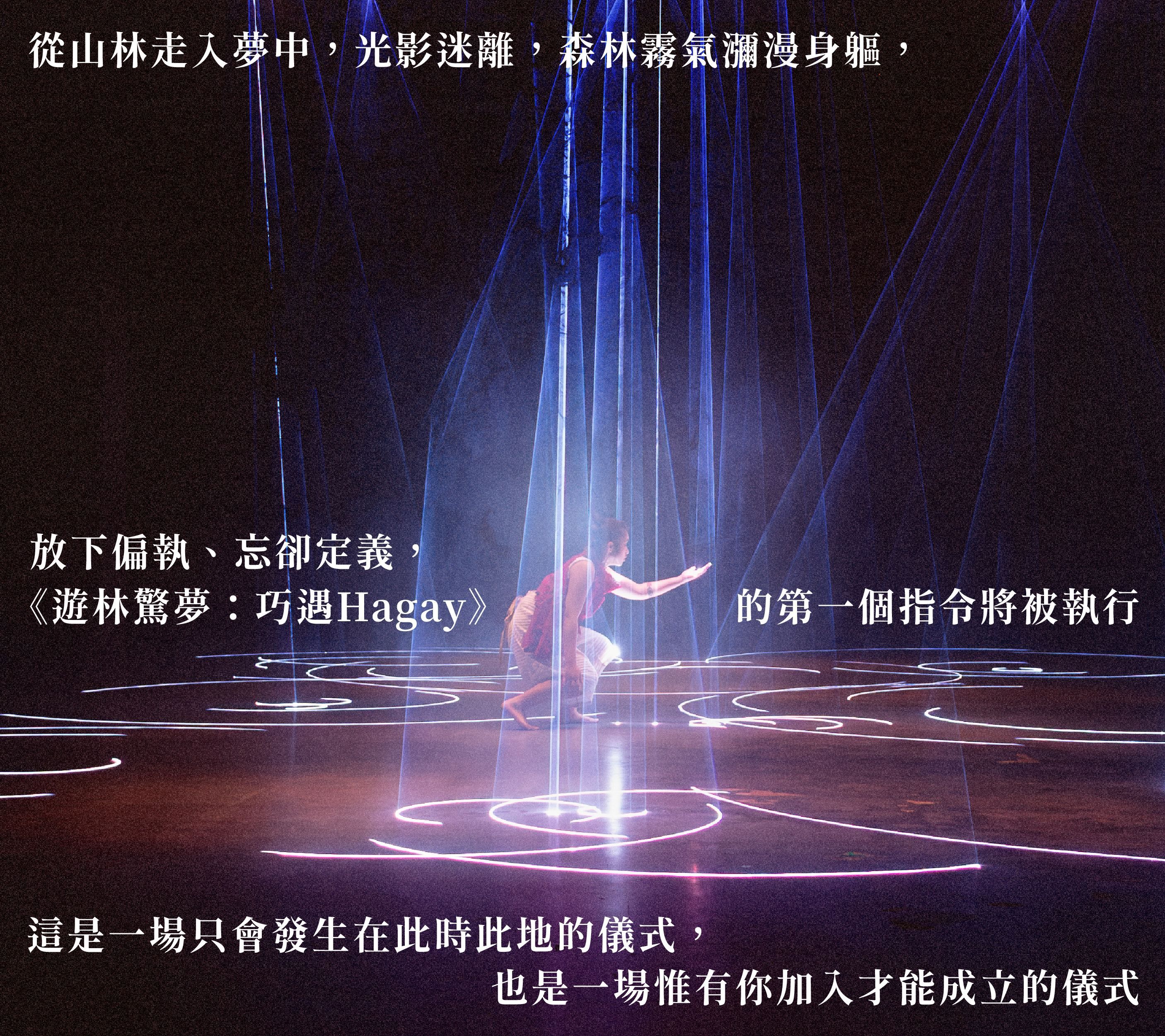
Stepping out of the mountains into a dream, drifting light and shadow, forest mist enveloping your body. Let go of prejudice, forget definitions, the first command of Hagay Dreaming will be executed.
This is a ritual that can only happen here and now, a ritual that exists only with your participation.
“Hagay Dreaming effectively erased the boundaries between indigenous tradition and futurism, mixing ancient myths and legends with advanced technologies and visual languages. Ignoring the stereotype of indigenous artwork as traditional crafts, Hagay Dreaming reclaims the speculative, curious, and unconventional quality of cultural and digital technology for developing the possibilities of hypothesis and reinterpretation, applying unpredictable imagination to pre-set binaries of male/female past/present, nature/technology.’”
— Felix Stalder, digital culture scholar
“Successfully interlacing ancient mythology with contemporary art, Dreaming Hagay constructs a newly sovereign yet timeless realm. The work radiates positive force, guiding audiences toward the courage, strength, and serenity of cross-disciplinary art.”
— Wen-Yi Wang, Chairperson, Taipei Performing Arts Center
“For all its riveting music and clever technology-augmented choreography, this enactment of Hagay Dreaming left viewers desiring something intangible, unspecifiable. Perhaps that is the point. Hounwn and Cheang invited audiences into the enchanting vision of Gaya, prompting reflections on how we might bring the dream to life.”
— ArtAsiaPacific
“I don’t know what I saw, but I felt like I had a dream—my own dream.”
“A living fantasy of light, dance, music, and chant, leading audiences into an enchanting new realm of performance.”
— Audience responses from the Tate Modern premiere
Carrying Your Dreams, Entering the Forest
Long ago, legend tells of a hunter who ventured alone into the mountains. Caught in a sudden storm, she took shelter inside a hollow tree and fell into deep sleep. When she awoke, the rain had ceased. Birds and insects sang. Emerging from the cave, she found herself in a beautiful forest shimmering with light.
As she wandered, she encountered a group of unclothed beings, embracing and intertwining. They appeared male, yet their presence was graceful and luminous. Curious, the hunter asked, “Who are you?” They replied, “We are Hagay.”
(In Truku culture, “Hagay” refers to men who embody feminine qualities.)
Thus began an exchange—of knowledge, ritual, and wisdom.
A collaboration between Truku ritual bearer, artist Dondon Hounwn and pioneering new media artist Shu Lea Cheang, Hagay Dreaming fuses digital media, moving images, laser art, personal narrative, mythic chants, and Indigenous music and dance.
Rooted in Hounwn’s imagined myth of the hunter and the Hagay spirits, the work integrates the Truku cosmic law of Gaya with the philosophy of Technoshamanism—Shu Lea Cheang integrates technology into the stage design with transformative weaving and ritual, situating the audience where ancient wisdom and contemporary society intersect.
A Queer Habitat Where Ancestors and Algorithms Coexist
In Hagay Dreaming, technology is no longer a cold, rational tool, but a medium to initiate the rituals. Derived from Hounwn's original script, Cheang further incorporates postcolonial discourse, the turbulent tribal affairs and techno-fantasia into the theatre. The stage design with its ephemeral approach abandons physical installations. Surround moving lights situate the audience in an immersive dreamscape of floating forests and fluttering butterflies. Laser beams of weaving and hunting arrows are intricately projected as Hagay transmit knowledge to the hunter. In a duet dance sequence, motion capture and real-time coding projected onto dancers' expanded bodies navigate the fluidity of gender multiplicity. The final scene features a laser beamed spiritual bridge, bringing all performers into the realm of GAYA, guiding the audience out of the labyrinthine dreamscape for a reborn future.
As Hounwn states, technology is not a tool but a modern shamanic device - an intermediary that links myth and science, tradition and future, land and digitas. The work proposes an indigenous vision of the future that resists dominant Western techno-narratives, while simultaneously offering a spiritual and embodied space for non-normative gendered bodies and queer lived experience.
A Theatre Navigated by Technology
A techno-guided theatre work, Hagay Dreaming engages in a dialogue between art and the technology. Since its early development in 2022, Laser artist Aka Chang, drawing from Truku mythological texts, has used technological light beams to construct a “Spiritual light Bridge, ” permitting the performers to move across pathways of shifting color and energy. The diamond-shaped ancestral totem in physical reflective medium, radiating beams that embody the Truku tribe’s Gaya cosmic order, symbolizing the ancestral spirits’ watchful guardianship over all living beings.
Meanwhile, the cave shelter rendered by stage designer Cheng Hsien-Yu intersects an enveloping water-mist drop with moving forest light and shadow. It creates a mysterious, ambiguous spiritual realm in which digital signals and oral traditions converge, opening a perceptual passage on stage.
The performance is further animated by music, dance, lighting, and costume design. Vocalist Piho Tusang, whose voice channels song, culture, and life itself, weaves traditional and contemporary multi-layered soundscapes.
Young indigenous dancers from various tribes and ethnic groups are passionate and full of vitality. Taught by Elug Art Corner, they learn traditional Truku music, dance and songs as well as traditional instruments from the Dowmung tribe. They blend contemporary theater and performance art, offering a distinctive interpretation of Truku rituals and musical traditions; they inject fresh and profound perspectives into Indigenous bodily imagery and expressive languages.
It also brings together outstanding creators from diverse fields, including lighting designer Ting-Tsung Ho , costume designer Shao-Yen Chen, and music composer/performer Sayun Chang. Each contributes their own lived experiences and aesthetic expertise to this dreamscape, allowing Hagay Dreaming to unfold not as a straight, linear journey, but as a meandering convergence drawn from the collective unconsciousness. Audiences are invited to follow a forked out path—dreaming in a dream—to discover their own voices in their continuous flowing and becoming.
From Fragmented Narratives to a Global Cultural Journey
In 2025, Dondon Hounwn and Shu Lea Cheang jointly led their team from the Truku community of Dowmung in Taiwan to Tate Modern in London — a sacred temple of modern civilisation and contemporary art. With ancestral spirits invoked in collective prayer, cultures beyond national borders converged here, colliding in a shared ritual space.
“That night, light drifted like mist. The audience stood quietly within the dream we had woven—a ritual without dialogue, yet full of sound. From the village to Tate, this was not a linear journey, but circles of ripples expanding outward.”— Dondon Hounwn
Hagay Dreaming first took shape in late 2020 at Lab Kill Lab. Over the past five years, the work has evolved through multiple incarnations: outdoor performances in Dowmung community in Hualien and along the Danube River in Linz, Austria; an indoor work-in-progress presentation at the National Taiwan Museum of Fine Arts during the 2022 Taiwan Biennial; the first staged theatre version presented in Taipei in 2023; and the Living Gaya Dreaming Hagay cultural exchange tour across Switzerland and Denmark in late summer 2024.
Five years after its initial conception, the work reached the final stage of completing its full-scale theatre version. The complete production premiered in March 2025 at the Dance Reflection festival of Tate Modern, London. After journeying across continents, the work will finally return home in 2026, marking its Taiwan premiere at Taipei Performing Arts Center. This is a ritual of cultural renewal and spiritual reconstruction. Audiences do not need to fully “understand” Hagay Dreaming; instead, they may sense a heartful longing to reunite with the land. There is no urgency to clarify or define meanings here—your theatrical experience offers the clue to guide you to find own path, own voices.
【Artists Introduction】
Shu Lea Cheang
Shu Lea Cheang is an artist and filmmaker whose practice spans multi- media, including film, video, installation, and network-based art. Her work critically examines ethnic stereotyping, sexual politics, popular media, institutional power structures, and human life in the age of digital information.
Her landmark work BRANDON (1998–99) was the first web artwork commissioned and collected by the Solomon R. Guggenheim Museum in New York. In 2019, she represented Taiwan at the 58th Venice Biennale with the mixed media installation 3x3x6. In 2020, she received a Guggenheim Fellowship to produce UKI, a viral alternative-reality science fiction film, which premiered at Filmfest München in June 2023 and subsequently toured internationally. In 2024, she was awarded the LG Guggenheim Award in recognition of her visionary engagement with emerging technologies and their broader social impact.
In 2020, she initiated Lab Kill Lab which led the creation of Hagay Dreaming. She now assumes the role as director of its theatrical version.
Dondon Hounwn (Truku)
“I am still hunting — I hunt the human soul, using creativity instead of a hunting knife.”
Dondon Hounwn is a Truku artist from Dowmung Village, serving as a bridge between the spiritual and human worlds, the Indigenous community and contemporary art, and tradition and the present. He is a practitioner and transmitter of traditional jaw harp music, songs, and rituals, while also working across performance art, video art, and environmental and site-specific theatre.
As the founder of Elug Art Corner, he leads youths from diverse Indigenous communities in exploring innovative ways to transmit and transform Indigenous culture. In recent years, he has served as curator of GAYA:Transmigrating in the Contemporary (2025), Msqun(2022), and as chief curator of mapaluktnbarah, the alliance exhibition of the Pulima Art Festival (2021). He began the creation of Hagay Dreaming in 2020.
【製作團隊】
總策劃暨導演|鄭淑麗
藝術總監|東冬.侯溫 Dondon Hounwn
原作劇本|東冬.侯溫 Dondon Hounwn
改編劇本|鄭淑麗
劇本顧問|呂瑋倫
製作人|翁程軒
編舞|邱瑋耀 Dahu Takisvilainan
舞台設計|鄭先喻
雷射設計|張方禹
燈光設計|何定宗
服裝設計|陳劭彥
音樂製作|張幼欣
錄音混音|劉詩偉
音場設計暨現場混音|劉詩偉
音響技術統籌|埔頂音響陳宇謙
儀式場景設計|黃林育麟 Temu Basaw、謝郁雯 Tumun Buru
繩縛藝術|林泂志
劇照攝影|林軒朗
影像紀錄|朱彥銘、陳駿腾
網站設計|許賢威
行政助理|王右瑾
舞台技術指導|趙振崴
舞台技術執行|周賢欣、陳彥竹、越宇農、黃秋富、邱姸菡、林維辰
雷射設備|圓源元科技
燈光工程|耀登設計
舞台設備|民偉視訊工程、久合盛科技
特別感謝|銅門部落族人、周梅英 Heydi Mijung、財團法人原住民族文化事業基金會 (畫面提供)
【表演者】
儀式傳承者Smapuh|東冬.侯溫 Dondon Hounwn
少年東冬/ Hagay|鐵木.馬信 Temu Masin
女獵人|潘妤婕 Dremedreman.Ljaculjingiljing
靈界使者|松欣亞 Piho Tusang
舞者群|簡家恩 Pilaw Uraw、林裕城 Lufing.Ufing、毛嘉恩 yangui moe'on'na、安俊翰 'uongʉ 'e yasiungu、'Icang Dopoh Sadipongan、彼亞.歐帝亞班 alapiyac.qudiyaban
共同製作|臺北表演藝術中心、兒路創作藝術工寮
贊助單位|國藝會
*本節目2026臺北版為臺北表演藝術中心及兒路創作藝術工寮共同製作
[Production]
Director|Shu Lea Cheang
Artistic Director|Dondon Hounwn
Original Script|Dondon Hounwn
Script Adaptation|Shu Lea Cheang
Script Consultation|Lu Wei-Lun
Producer|Weng Cheng-Hsuan
Choreographer|Dahu Takisvilainan (Chiu Wei-Yao)
Stage Manager|Hsu Chien-Huan
Stage Design|Cheng Hsien-Yu
Laser Design|Aka Chang
Lighting Design|Ho Ting-Tsung
Costume Design|Chen Shao-Yen
Music Composer|Sayun Chang
Recording & Mixing|Liu Shih-Wei
System Designer & FOH Engineer|Liu Shih-Wei
Sound Technical Coordinator|Tp Chen&TP SOUND STUDIO
Installation Design|Temu Basaw, Tumun Buru
Tie Up Artist|Soa. rope
Photography|Lin HsuanLang
Video Documentation|Chu Yen-Ming, Chen Jun-Teng
Website Design|Hoi Kelvin
Administrative Assistant|Wang You-Jin
Technical Director|Chao Chen-Wei
Stage Technician|Chou Hsien-Hsin, Chen Yen-Chiu, Yueh Yu-Nung, Huan Ciou-Fu, Chiu Yen-Han, Lin Wei-Chen
Laser Provider|O3 Laser Co., Ltd.
Lighting Engineering|Ho Design Co. Ltd.
Technical Support|MEWAY VISION ENGINEERING CO., LTD., Chiu Ho Sheng Technology
Special Thanks|The People of Dowmung Tribe, Heydi Mijung, Indigenous Peoples Cultural Foundation
[Performers]
Smapuh/Ritual Keeper|Dondon Hounwn
Dondon Youth/Hagay|Temu Masin
Huntress|Dremedreman.Ljaculjingiljing
Spirit Messenger|Piho Tusang
Dancers|Pilaw Uraw (Chien Chia-En), Lufing Ufing (Lin Yu-Cheng), uongʉ e yasiungu (An Jun-Han), ‘Icang Dopoh Sadipongan, alapiyac qudiyaban (Piya Odiyaban), yangui moe’on’na
Sponsor|National Culture and Arts Foundation
*The 2026 Taipei edition is co-produced by Taipei Performing Arts Center and Elug Art Corner.
異動公告
【OPENTIX節目異動公告】(公告日期2026年05月19日)
原訂於2026年05月22日(五)至2026年05月24日(日)於 臺北表演藝術中心 球劇場演出之 2026北藝嚴選:鄭淑麗 X 東冬・侯溫《遊林驚夢:巧遇Hagay》,本作品原飾演靈界使者演員姑慕·巴紹(Kumu Basaw)因個人健康因素不克參與演出。,演出者將異動為靈界使者一角將改由泰雅族藝術家松欣亞(Piho Tusang)擔綱演出。松欣亞從小跟隨祖母(Yaki)學習織布,現任文化樂舞教師,承擔保護、發揚族群文化的責任。作為新一代歌者,她從古調到原民流行音樂,歌聲熱愛傳承,旨在「感動」聽眾,以飽滿的嗓音牽引觀眾進入靈界。。
於異動公告發佈前之購票觀眾,如因本異動欲退票,自公告日起至2026年05月24日 15:30前,可依以下辦法辦理全額退票:
【電子票或尚未取紙本票】
- 以「信用卡、行動支付、文化幣全額支付」購票:
請使用OPENTIX線上退訂單功能,至會員>訂單紀錄>點入要退訂的訂單,按下「退訂單」勾選欲退項目,線上完成退訂。
※請留意,每日23:30-00:00為系統結算期間暫停服務。請務必留意退票期限,提前申請。
※購買團票、套票或其他無法使用退訂單功能時,請至網站勾選項目1,填寫訂單資料辦理。申請的退票如符合退票規則,將於3個工作日內執行退票作業。
2. 以「ATM轉帳、現金」購票:
請至網站勾選項目2,填寫訂單資料並附上存摺照片辦理,申請的退票如符合退票規則,將於3個工作日內執行退票作業。
【已取紙本票】請由下述退票方案擇一辦理:
- 臨櫃退票:請於服務時間內,至OPENTIX臺北、臺中、臺南、高雄四大服務處辦理。
- 郵寄退票:請將存摺影本(刷卡購票無須提供)、票券、姓名電話等聯絡資訊於退票期限前(郵戳為憑),掛號郵寄至「100012臺北市中正區中山南路21-1號 OPENTIX 退票小組收」。退票郵寄前請記下票面之訂單編號,並請妥善保存掛號收據。
--------
※如何查詢付款方式:
- 登入OPENTIX>會員>訂單紀錄,點入要查詢的訂單編號內即可查看付款方式。如為文化幣全額支付,付款方式會顯示「現金 $0 + 文化幣」。
- 票券入場聯,票價旁的英文代號C為現金付款,ATM為ATM轉帳,V/M/J/AE/AP/GP為刷卡付款,B為向主辦單位購票票券。
※注意事項
- 如購票時使用文化幣或點數折抵,退票時,系統將退還折抵之全額文化幣,並於扣除退票手續費後,優先退還點數,再將剩餘款項退回。特別提醒,如退票時(含換、補票及因節目異動之退票),抵用之文化幣、點數已逾使用效期,OPENTIX將無法以任何形式進行返還、展延。
- 退票以票面金額為計算標準,取票所產生之郵寄費、超商服務費,退票寄回郵資、選擇ATM轉帳付款產生之轉帳手續費等均不屬於退票費用計算內。
- 原訂單如為線上購買或分銷點購買並有歸戶OPENTIX會員,退票成功後會收到Email通知,你亦可登入OPENTIX訂單紀錄,查詢訂單狀態。
- 刷卡購票將退票至原購票信用卡,約7-10個工作日可向發卡行查詢到該筆款項;現金及ATM轉帳購票,選擇線上或郵寄辦理,約10個工作日匯款至你指定之帳戶。
若有其他疑問,請洽詢OPENTIX兩廳院文化生活客服中心(02)3393-9888 (每日09:00-20:00)
折扣方案
了解更多北藝會員:https://tpacplayer.org/DlYyH
2026.1.5 (一) 中午 12:00 ── 1.12 (一) 11:59 付費會員預購
北藝中心會員──成癮玩家75折,滿3場送1張5折券
北藝中心會員──團隊玩家單張85折、單場單筆訂單4張(含)以上8折、10張(含)以上75折
-
TPAC會員限定套票
2026.1.5(一)中午 12:00
凡完成 OPENTIX 會員綁定之北藝會員,於優惠期間內購買 2026 北藝嚴選主辦節目任一檔,即可享以下優惠:
成癮玩家/團隊玩家──
北藝嚴選主辦節目票價 75 折,並享《TPAC 會員限定:編織體驗工作坊》加購價 199 元(原價 1,200 元)。
新手玩家──
1/12(一)中午 12:00 正式啟售後,購買北藝嚴選主辦節目票券 9 折,並享《TPAC 會員限定:編織體驗工作坊》加購價 249 元(原價 1,200 元)。
-
2026.1.12(一) 中午 12:00 正式啟售
會員優惠:
北藝中心會員──成癮玩家85折,滿3場送1張5折券
北藝中心會員──團隊玩家單張85折、單場單筆訂單4張(含)以上75折、10張(含)以上7折
北藝中心會員──新手玩家9折,北藝官網免費註冊享購票優惠
預約註冊85折優惠:
2025.12.8(一) 00:00──2026.2.8(日) 23:59
於指定期間內於北藝官網免費註冊「新手玩家」,享2026北藝嚴選主辦節目85折優惠券2張。(使用期限為2026.2.8(日)前)
早鳥優惠:
2026.1.12(一)中午 12:00──2.8(日)23:59
凡購買2026北藝嚴選主辦節目1,200元(含)以上之任一票券,可享82折優惠。
-
異業優惠:
2026.1.12 (一) 中午 12:00起
誠品會員、玉山銀行、台北富邦銀行、台新銀行銀行卡友購票享優惠92折
台新好藝會員輸入折扣碼不限張數88折優惠
團票優惠:
1. 單場單筆訂單 20 張(含)以上 8 折
2. 單場單筆訂單 50 張(含)以上 75 折
3. 單場單筆訂單 100 張(含)以上 7 折
其他優惠:
1. 身心障礙人士及其必要陪同者(限1人)享5折,入場時應出示身心障礙證明,陪同者與身障者需同時入場。
2. 年滿65歲以上長者購票5折,入場時請出示有效證件。
※ 主辦單位保留節目異動權及折扣解釋權
退票期限:
最遲須在演出日1日前(不含演出日)辦理,逾期無法受理。
例:演出日為6/29,最後退票期限為6/28。
退票手續費:
每張退票收取票面售價10%手續費。換票視同退票,需退票後重新購買。
申請方式:
【選擇電子票或尚未取紙本票】
- 以「信用卡、行動支付、文化幣全額支付」購票:
請使用OPENTIX線上退訂單功能,至會員>訂單紀錄>點入要退訂的訂單,按下「退訂單」勾選欲退項目,線上完成退訂。
※請留意,每日23:30-00:00為系統結算期間暫停服務。請務必留意退票期限,提前申請。
※購買團票、套票或其他無法使用退訂單功能時,請至網站勾選項目1,填寫訂單資料辦理。申請的退票如符合退票規則,將於3個工作日內執行退票作業。 以「ATM轉帳、現金」購票:
請至網站勾選項目2,填寫訂單資料並附上存摺照片辦理,申請的退票如符合退票規則,將於3個工作日內執行退票作業。
※ATM轉帳繳費時產生的轉帳手續費由銀行收取,如有退票情形(含換、補票及節目異動之退票),轉帳手續費恕無法一併退還。
【已取紙本票】
請由下述退票方案擇一辦理:
- 臨櫃退票:請於服務時間內,至OPENTIX臺北、臺中、臺南、高雄四大服務處辦理。
- 郵寄退票:請將存摺影本(刷卡購票無須提供)、票券、姓名電話等聯絡資訊於退票期限前(郵戳為憑),掛號郵寄至「100012臺北市中正區中山南路21-1號 OPENTIX 退票小組收」。退票郵寄前請記下票面之訂單編號,並請妥善保存掛號收據。
※郵寄退票之退票手續費發票將預設存入OPENTIX會員載具,如有其他需求,請郵寄後致電客服中心(02)3393-9888。
※以ATM轉帳或現金付款之票券,將在收到郵寄退票申請後,最遲10個工作日內轉帳至所提供之存摺帳戶;以刷卡付款之票券,退票款項將退還至原刷信用卡。
注意事項:
如購票時使用文化幣或點數折抵,退票時,系統將退還折抵之全額文化幣,並於扣除退票手續費後,優先退還點數,再將剩餘款項退回。特別提醒,退票時(含換、補票及因節目異動之退票),原訂單所抵用的點數、文化幣、優惠券已逾使用效期,恕無法補發或展延效期。(如優惠券發放之主辦單位另有規劃者,依該主辦單位規範辦理)
【優惠組合退票】若購買兩個品項以上之優惠組合,退票須全數辦理退票,或退票後剩餘數量仍符合原優惠組合規則,方可辦理。
【套票退票】套票退票需整套辦理,無法以單張票券申請退票,亦不接受換票。如購買不同場次票券,最遲需於所購買的首場演出日1日前(不含演出日)辦理,如套票另有規定者,請依套票頁面之注意事項為主。
※ 依據文化部「藝文表演票券定型化契約應記載及不得記載事項」第3點規定,若本節目因故取消、延期舉行之主要表演人員或主要節目內容,於預定表演前發生變動時,相關退票機制、受理方式、退款途徑等資訊,將另行公告於本節目頁面;若遇上述異動情境,主辦單位未提供退款機制時,以信用卡購票之持卡人,可向原信用卡發卡行申請信用卡爭議款退款。