節目介紹
2026 GEMF 微光國際古樂節開幕·大航海時代六感——三月聽覺系列壓軸場
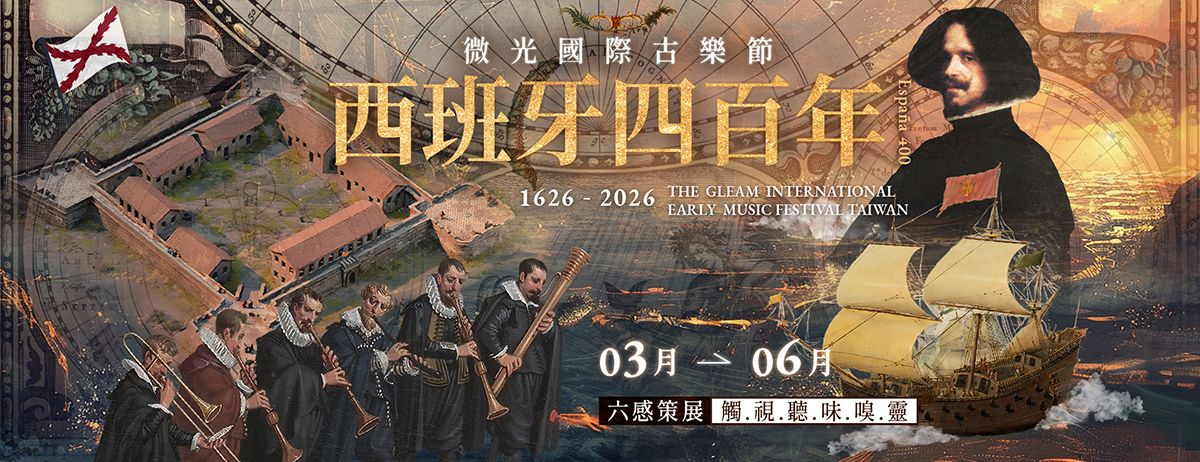
西班牙大使古樂團·三部曲
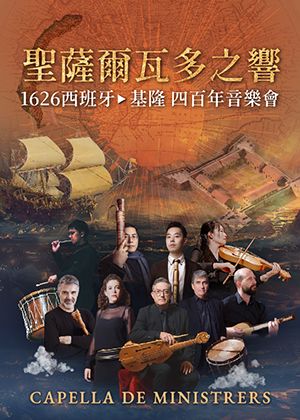
【三部曲《聖薩爾瓦多之響》1626 西班牙基隆四百年音樂會】
Echoes of Ciudad de San Salvador — 1626 Spain & Keelung
(English Below)
日期時間|3/22(日)14:30
地點|基隆表演藝術中心演藝廳(基隆市中正區信一路181號)
演奏者|大使古樂團 (Capella de Ministrers) x 微光古樂集(The Gleam Ensemble)
主辦|基隆市政府文觀局、微光古樂集、西班牙商務辦事處
《節目介紹》
在基隆 x 西班牙400年之際,西班牙指標性文藝復興古樂團-大使古樂團 (Capella de Ministrers)與微光古樂集,將首次來到基隆,呈現沉睡於這座港都下的400年古樂!
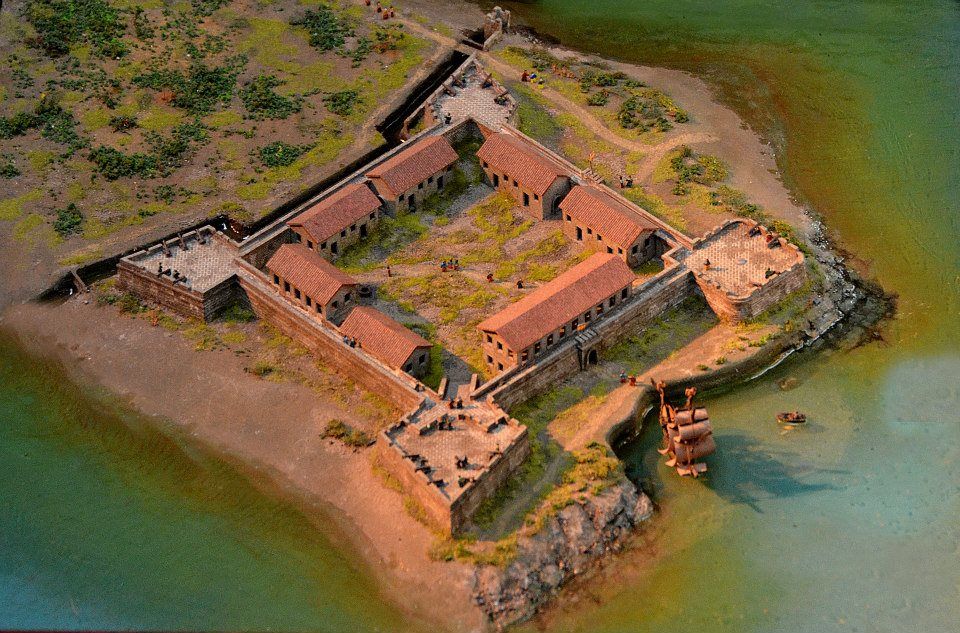
1626 年,西班牙帝國的艦隊航抵福爾摩沙的—雞籠(基隆),並在今日台灣北部「和平島」,今基隆造船廠底下,建立其於亞洲最東端的據點—聖薩爾瓦多城(聖救主城 “Fort San Salvador”)和諸聖教堂(Iglesia de Todos los Santos),開啟臺灣與歐洲和世界接觸的重要歷史時刻。
《聖薩爾瓦多之響》將以音樂呈現「西班牙來台四百年」,讓這段跨文化交流不再埋沒誒於和平島的造船廠下。
基隆作為港市,擁有著多層次的歷史記憶與國際連結。本次合作透過 17 世紀歐洲原貌的古樂器編制與歷史考據演奏方式,重現可能曾響起於船艙、堡壘與教堂中的聲音,讓音樂成為連結四百年前與當下的橋樑。
這場音樂會將結合《西班牙古調》音樂會的精選曲目,並加上更多17世紀風靡於大海上動聽的西班牙古樂曲目,由西班牙大使古樂團與微光古樂集併團呈現!
透過城市政府、台灣與西班牙重要古樂團體的外交合作,使西班牙的古樂在400年後,再次抵達基隆的海港。
從15世紀開始,葡萄牙率先突破「世界盡頭」的想像,航海探索帶來的巨額財富,使歐洲各國的視線從曾經的陸路陸路轉向海洋。
新大陸的發現徹底改寫世界秩序,西班牙、荷蘭東印度公司、英國、法國前仆後繼奔向大海,衝擊和更改了舊世界曾經的遊戲規則,「大航海時代」與「地理大發現時代」由此展開。
在這個海上霸權的年代,西班牙建立了可與任何國家匹敵的艦隊。而音樂,作為宮廷、軍旅與城市生活的一部分,也隨著船隊與貿易航線遠播各地。當時其中廣為流傳的流行歌曲〈Spagnoletta 西班牙小調〉,和 15 至 17 世紀文藝復興到早期巴洛克歐洲最具代表性的定旋律—〈La Spagna 西班牙古調〉曲目涵蓋中世紀至早期巴洛克時代,與西班牙旋律相關的絕美古樂,重現曾隨著西班牙艦隊迴盪於大航海時代的傳奇古樂之響。
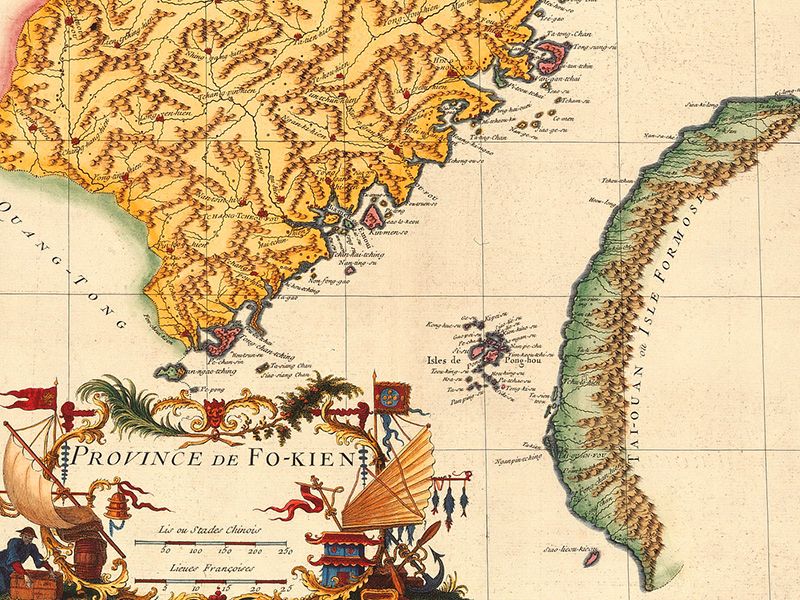
基隆自古作為港市,承載著多層次的歷史記憶與國際連結,但其文化形象長期多聚焦於海港與觀光產業。
此次合作希望重新定位基隆,使其不只是交通節點,更是具有國際視野與深厚歷史脈絡的文化城市。透過邀請西班牙大使古樂團來台,並與微光古樂集聯合演出,我們將以 17 世紀歐洲原貌的古樂器編制與歷史考據演奏方式,重現當年可能響起於船艙、堡壘或教堂中的聲音,讓觀眾透過音樂直接連結四百年前的幽幽時空。
覆蓋於造船廠下的基隆歷史也將被重新喚醒。透過音樂、歷史與外交的交會,希望讓基隆「記得過去、連結當下、向世界發聲」。
這些作品曾迴盪於航向未知的艦隊上,也在歐洲各宮廷中象徵西班牙榮光,見證人類對地理、靈魂與宇宙的探索。
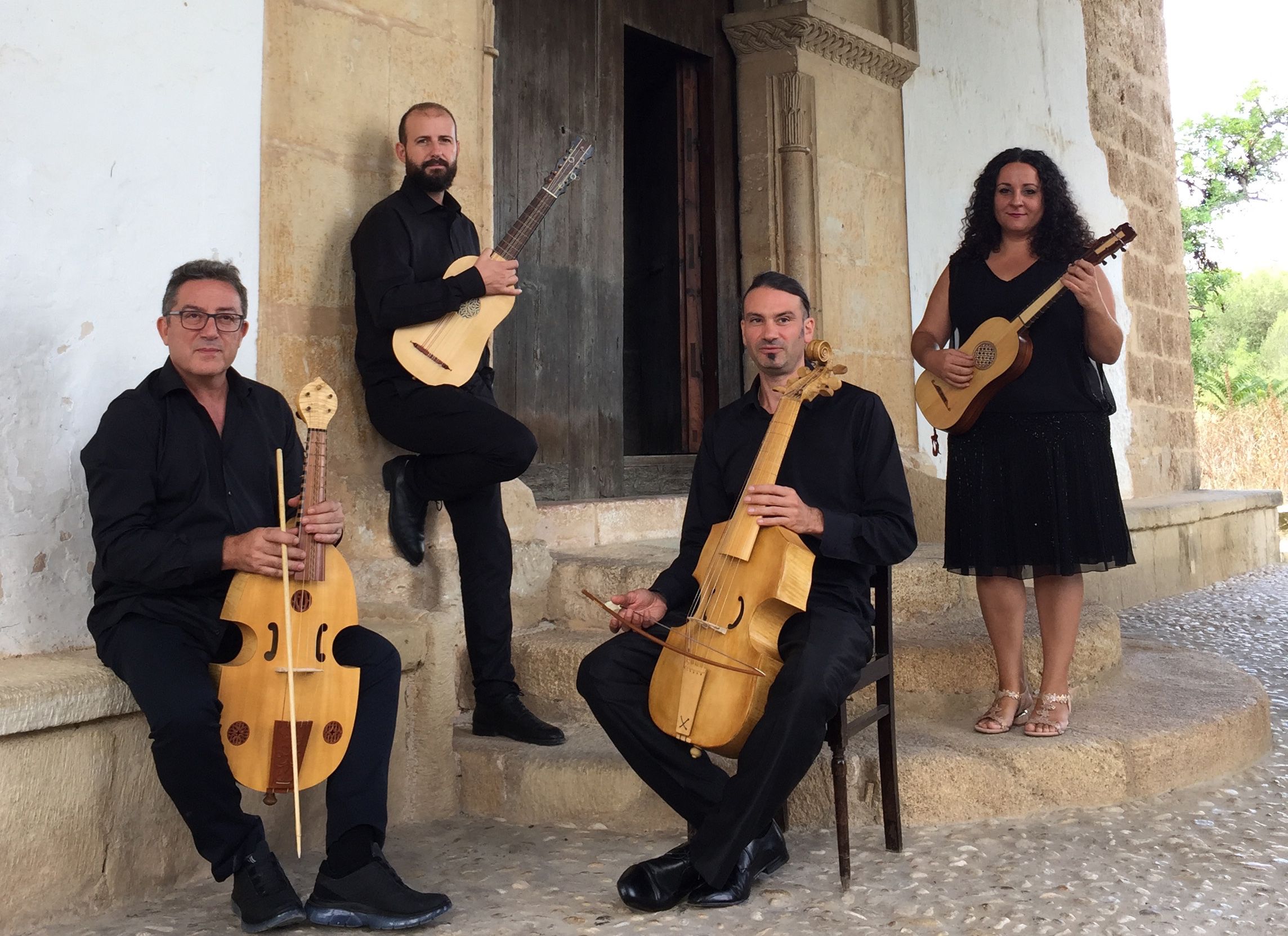
本次演出最引人注目的,是此次的組合編制非同凡響,大使古樂團將會首次帶來兩種幾乎只存在於歷史文獻與繪畫中,卻影響世界音樂史深遠的關鍵古樂器——弓弦比維拉琴(Vihuela de Arco) 與撥弦比維拉琴(Vihuela de Mano),而它們正是今天提琴、維奧爾琴、吉他、魯特琴的祖先,也是台灣首次有機會現場親眼和親耳見證這些史書中絕美的古樂器。
《🔔 優惠資訊|加入微光古樂之友,即享古樂節大場節目優惠折扣》
「微光古樂之友」專屬優惠,凡加入官方 LINE「微光古樂之友」,即可享有8折折扣碼!
🔗加入「微光古樂之友」LINE:https://lin.ee/D2OJ17PU
《演出人員》
西班牙大使古樂團 (Capella de Ministrers)
女高音 (Soprano)|Elia Casanova
弓弦比維拉琴(Vihuela de Arco)|Carles Magraner
木笛 (Recorder)|David Antich
巴洛克吉他與撥弦比維拉琴 (Baroque Guitar & Vihuela de mano)|Robert Cases
歷史打擊樂器(Percussion)|Pau Ballester
微光古樂集
中世紀五弦 (Vielle)|大下詩央 Shio Ohshita
歷史風笛(Bagpipes)、文藝復興低音管 (Dulcian)|蔣皓任 Martin Chiang
木笛 (Recorder)|粱益彰 Yi Chang Liang
歷史打擊樂器(Percussion)|王惟 Wei Wang
___________________________________________________
《曲目》
*此場曲目為兩廳院前兩場的精選曲目
講解一
1. 璜.安伯羅西.達薩:費拉雷賽的帕望舞曲
Joan Ambrosi Dalça:Pavana alla Ferrarese
2. 巴托羅米奧.特洛波奇諾:《這不再是眼淚》
Bartolomeo Tromboncino:Ariosto ‘Queste non son piu lachryme’
3. 佚名:敘事歌《叮叮鈴叮》,選自〈蒙特卡西諾修道院〉歌本.
Anònim: Balada “Dindirindin”, from Montecassino
4. 吉里穆斯:《量力而為》歌曲
Monachus Gulielmus: Falla con misuras
5. 民謠《別讓我哭泣,馬雷塔》
Tradicional: Mareta non faces plorar
6. 佚名:嘉年華歌曲,選自〈蒙特卡西諾修道院〉歌本.
Anònim: ‘Alle Stamenge Canto Carnacialesco’ from Montecassino
講解二
7. 亞歷山大.阿格利克拉:《讓我嘆息的愛情》
Alexander Agricola (1446-1506): ‘Amor che sospirar mi fai’
8..佚名:《我大聲嘆息》,選自〈蒙特卡西諾修道院〉歌本
Anònim : ‘Mon fort souspirz’ from Montecassino
9. 佚名:《女士,一位愛你的人》
Anònim: ‘Signora, un che v'adora’
10. 路易斯.達.米蘭:帕望與加利亞舞曲
Luis del Milàn: Pavana i gallarda
11. 民謠《阿拉岡夫人》
Tradicional La Dama d’Aragó
12. 佚名:佛利亞舞曲
Anònim : Folies
講解三
13.佚名:《西班牙》舞曲(波隆那手稿)
Anónimo: La Spagna(Danse – Ms. de Bologna)
14. 胡安・德爾・恩西納:牧歌《世上一切的財富》
Juan del Encina: Todos los bienes del mundo(Villancico)
15. 海因里希・伊薩克:《殘酷的命運》
Heinrich Isaac: Fortuna desperata
16. 佩雷・奧里奧拉:《噢,世人啊》
Pere Oriola: O vos homines
17. 佚名:牧歌《三位摩爾少女令我傾心》
Anónimo: Tres morillas m’enamoran(Villancico)
18. 佚名:傳統舞曲《霍塔》
Anónimo: Jota(Tradicional)
講解四
19. 胡安・德爾・恩西納:敘事歌謠《一場憤怒的爭執》
Juan del Encina: Una sañosa porfía(Romance)
20. 喬安・達爾薩:《西班牙風格舞曲》
Joan Dalza: Alla spagnola
21. 佚名:牧歌《羅德里戈・馬丁內斯》
Anónimo: Rodrigo Martines(Villancico)
22. 阿隆索:牧歌《走開吧,我不想要》
Alonso: Tir’ allá, que non quiero(Villancico)
23. 胡安・德爾・恩西納:牧歌《今天讓我們吃喝作樂》
Juan del Encina: Hoy comamos y bevamos(Villancico)
《西班牙大使古樂團》
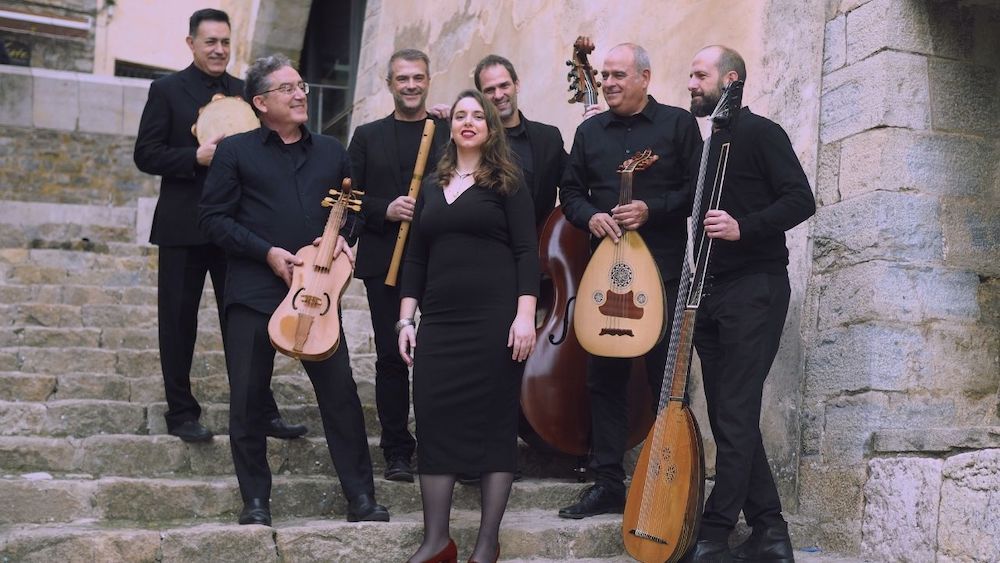
西班牙大使古樂團自 1987 年成立以來,由維奧爾琴與比維拉琴總監-Carles Magraner 開拓了古樂復興和音樂史研究的重要任務,
以研究復興從中世紀到 19 世紀的西班牙音樂遺產為宗旨。最後轉化為音樂的實踐,大使古樂團匯集了三大關鍵:歷史的嚴謹性、音樂的敏感性,並與當今聽眾進行連結。
大使古樂團自成立以來舉辦過數百場音樂會,並曾在西班牙最重要的音樂廳,如:西班牙國家禮堂、西班牙音樂宮、瓦倫西亞、加泰隆尼亞音樂宮、萊昂禮堂、La Maestranza 劇院、卡斯特利翁禮堂、塞萬提斯劇院…等地方演出。
同時樂團也參加了許多重要的國際音樂節,例如:安東尼奧·利特雷斯(Antonio Literes)歌劇《Los elementos》的複出)
阿爾瑪格羅古典音樂節、佩拉拉達音樂節、多諾斯蒂亞拉音樂雙週、維拉諾斯節(馬德里)、希臘藝術節(巴塞隆納)、國際格拉納達音樂節、瓦倫西亞大學音域節、阿雷莫爾節、埃爾切中世紀節,阿姆斯特丹國際猶太音樂節等。
古樂團也多次在西班牙以外的地方演出過,特別是在法國、比利時、羅馬尼亞、葡萄牙、荷蘭、埃及、義大利、德國、摩洛哥、英國、波蘭、突尼西亞、智利、
葡萄牙、希臘、阿根廷、巴西、美國、墨西哥、芬蘭、奧地利、古巴、克羅埃西亞、中國、阿爾及利亞、瑞典、挪威、日本等
2008 年 5 月大使古樂團參加了由西班牙王后索菲亞陛下頒發的「西班牙語系之家」開幕儀式,並擔任主席。同年,樂團參加了官方在聖瑪麗亞波夫萊特修道院舉行的《阿拉貢國王詹姆士一世誕辰 800 週年》紀念活動。
透過研究和復興早期音樂,古樂團為 EGT、Blau、Audivis 和 CDM 等專輯廠牌錄製了豐富海量的唱片,其中後者是大使古樂團自己開創的專輯品牌。古樂團多年來所錄製的專輯已獲得多項專業獎項、媒體以及其他大獎,包括:西班牙音樂部最佳錄音作品、文化獎和瓦倫西亞新聞社頒發的「重要」獎項以及各種創紀錄的獎項,2008 年阿爾穆薩法斯公民獎 – 下河岸,Difusión Prize Plaça del、2017 年,巴倫西亞專業音樂團體獲得 Bankia 獎、
Mediterranew Musix獎,同時曾兩度榮獲國際古典音樂獎、2018年榮獲最佳早期音樂獎項、並入圍 Super Lamentationes國際古典音樂獎項(ICMA)、2019 年和 2020 年入圍Carles Santos 最佳遺產復興專輯、2022 年最佳西班牙早期音樂團體媒體獎、2023年榮獲瓦倫西亞文化委員會榮譽獎章。
大使古樂團的演出活動不僅限於音樂,還涉及舞台藝術創作領域,
樂團曾與電影、戲劇導演 Alex Rigola、Juli Leal、Vicent Genovés、Jaume Martorell 和 Bigas Luna合作配樂,以及編舞家Santiago Sempere,以及其他學科的音樂家,例如 Joan Enric Lluna 和 Miguel Marín合作演出。
大使古樂團定期於西班牙的中世紀古城Morella舉辦Early Music Morella國際樂節與古樂營,已邁入第十四屆,吸引來自世界各地的前來學習古樂的學子們。
《微光古樂集》
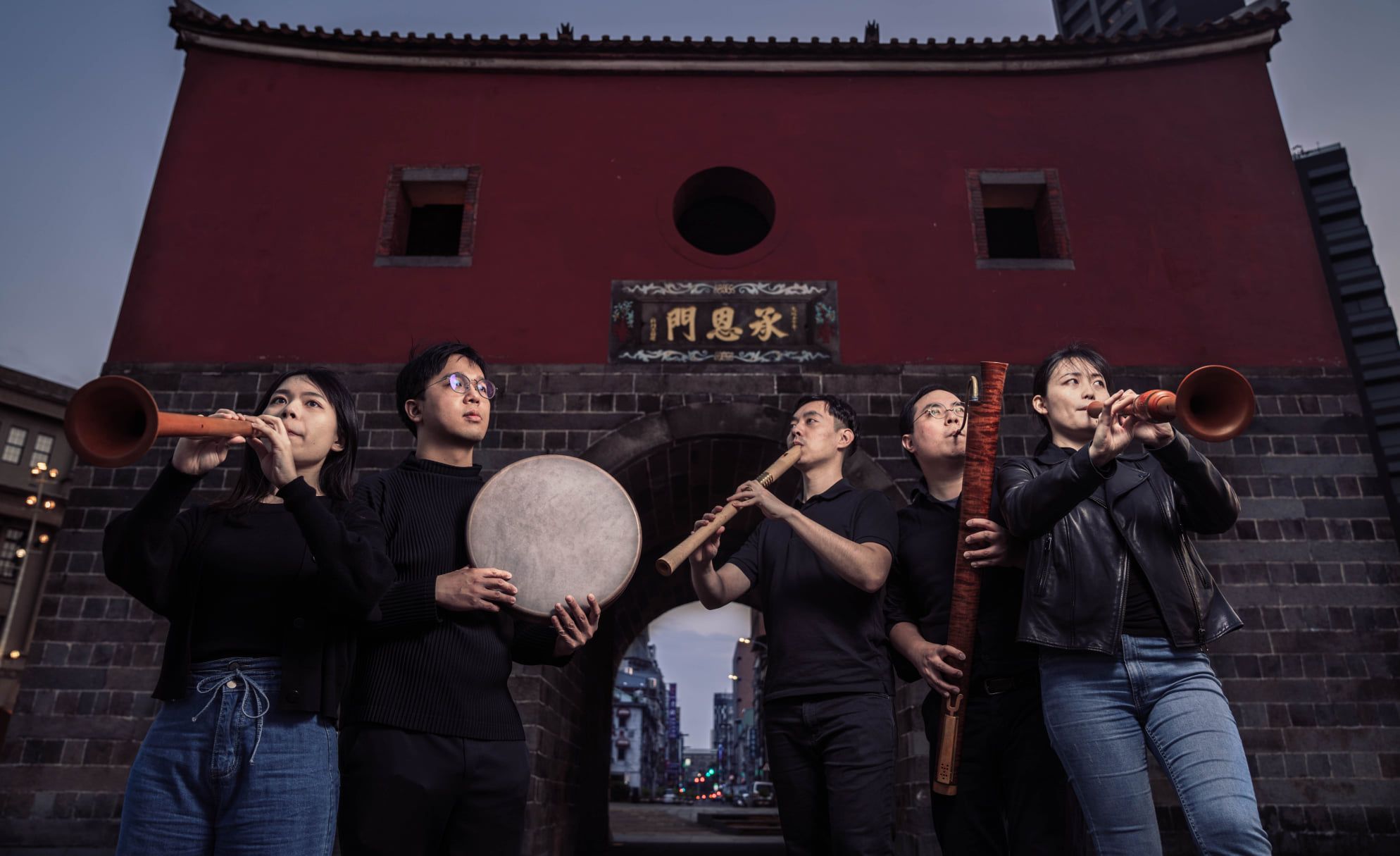
微光古樂集,是臺灣古樂復興運動平台,臺灣微光國際古樂節主辦方。 為台灣和亞洲少數古法考究演奏中世紀至古典早期 (西元1200-1800年)的古樂團,為臺灣古樂發展的重要指標,樂團長期活躍於歐洲與亞洲兩地的舞台,將來自台灣高品質的古樂聲音帶回歐洲。 微光於 2019 年成立於臺北,組織核心由小提琴家-陳逸群擔任執行長、以及三位畢業於古樂最高學府-瑞士國立巴塞爾古樂學院 (Schola Cantorum Basiliensis)的歷史低音管/歷史管風琴演奏家-蔣皓任(Martin Chiang) 擔任團長,與日籍巴洛克小提琴家 大下詩央 (Shio Ohshita)擔任藝術總監,並由古長笛家-馬鈺,擔任歐洲區執行,形塑今日具有本土與國際視野的微光古樂團隊。
古樂集成員多以臺灣為文化根基,並活躍於國際古樂界的各大舞台。以深厚的專業實力與研究精神,推動臺灣古樂發展,期望建立一個穩健且具真正國際視野的本地古樂生態。
「微光」一詞源自古英文,象徵「暗處中的閃光」,也呼應巴洛克繪畫中象徵戲劇性明暗對比的燭光意象;而在東方語境中,它亦象徵低調、謙遜與內斂的品格。微光古樂集以此為精神,使用仿古樂器,從中世紀、文藝復興、巴洛克至古典時期,以嚴謹的文獻基礎結合古樂獨奏家們的個人特質,詮釋歐洲早期音樂的語法與聲響。 微光聚集了臺灣與亞洲最具代表性的古樂新生代人才,成員畢業自歐洲頂尖古樂學府,包括瑞士巴塞爾古樂學院、阿姆斯特丹音樂學院、英國皇家音樂學院、巴黎高等音樂學院、里昂高等音樂學院、柏林藝術大學、科隆與弗萊堡音樂學院等。團員在多項國際比賽中獲得肯定,包括布魯日古樂大賽、德國泰勒曼古樂大賽首獎、馬里尼古樂大賽首獎等,足跡遍及歐洲主要音樂廳與歷史教堂,見證臺灣古樂演奏者在國際舞台的崛起。
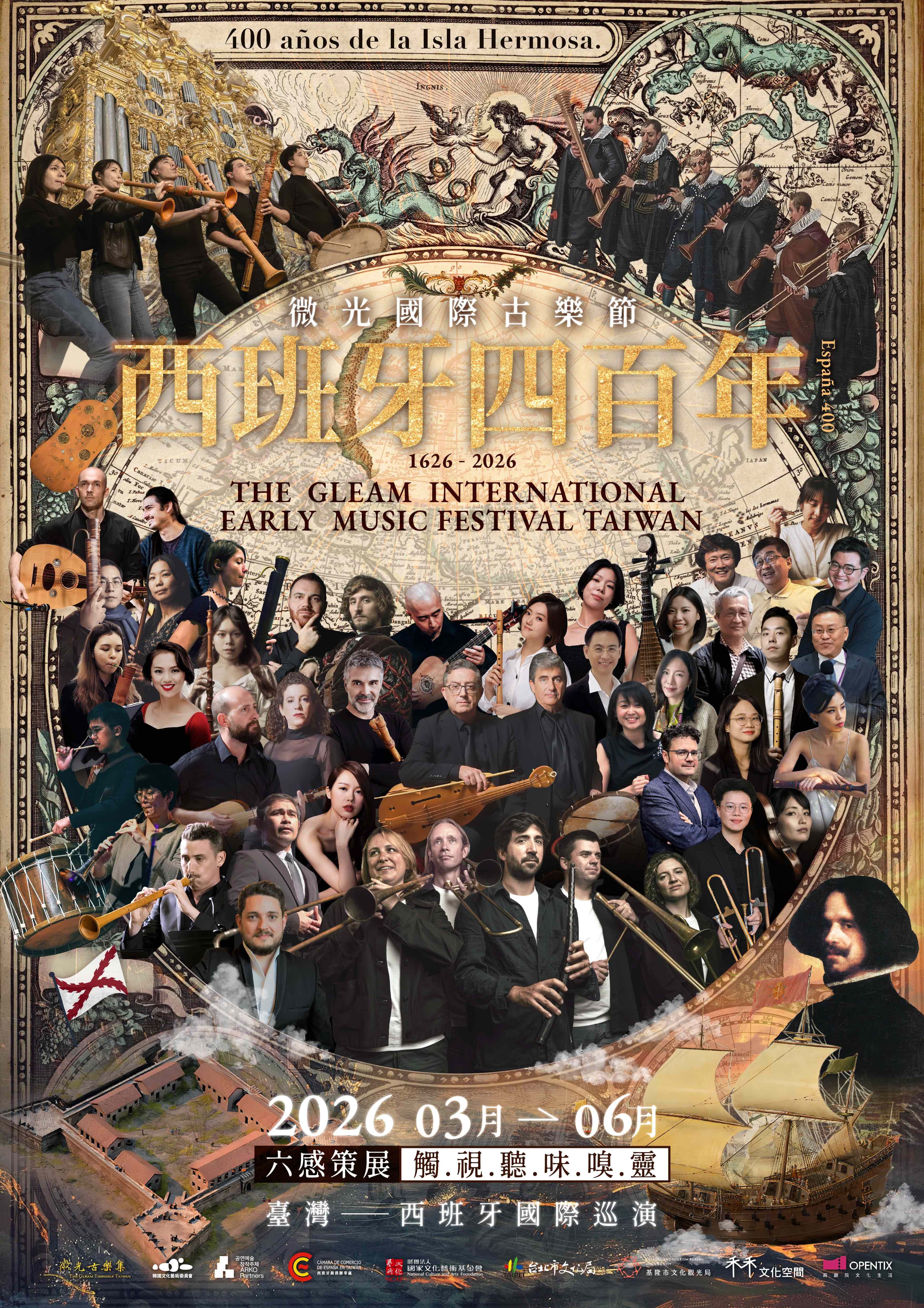
📌更多節目歡迎至微光國際古樂節官方網站:https://gleam-ensemble.com/微光國際古樂節-the-gleam-international-early-music-festival-taiwan/
📌 微光國際古樂節策展型節目(講座/沙龍/工作坊) 購票:https://www.accupass.com/organizer/detail/2007200931141424350219?utm_source=ios_accupass&utm_medium=share_2009090813491447128000&utm_campaign=accu_org
Keelung × Spain 400: The Sound of Fort San Salvador
On the occasion of Keelung × Spain 400, Spain’s most representative Renaissance early music ensemble, Capella de Ministrers, joins forces with The Gleam Ensemble to appear in Keelung for the first time, reviving four centuries of early music long buried beneath this historic port city.
In 1626, the fleet of the Spanish Empire arrived at Formosa, anchoring at Quilang (present-day Keelung). On what is now Heping Island—beneath today’s Keelung Shipyard—Spain established its easternmost outpost in Asia: Fort San Salvador (San Salvador Castle) and the Church of All Saints (Iglesia de Todos los Santos). This moment marked a pivotal chapter in Taiwan’s first sustained encounter with Europe and the wider world.
The Sound of Fort San Salvador presents this four-hundred-year history through music, allowing a vital chapter of cross-cultural exchange, long buried beneath the shipyard of Heping Island to resurface through sound. As a historic port city, Keelung carries layered memories of global connections and maritime exchange. Through historically informed performance and period instruments reconstructed according to seventeenth-century European practice, this concert reimagines the sounds that may once have resonated within ship holds, fortresses, and churches, transforming music into a bridge between the present and the world of four centuries ago.
The program brings together selected works from the previous concerts La Spagna and 1400: Prologue to the Age of Exploration, performed jointly by Capella de Ministrers and The Gleam Ensemble. Through diplomatic and cultural collaboration between the city government and leading early music institutions from Taiwan and Spain, Spanish early music returns four hundred years later to the harbor of Keelung.
From the fifteenth century onward, Portugal was the first to break through the imagined “ends of the world.” The immense wealth generated by maritime exploration redirected Europe’s gaze from overland routes to the open seas. The discovery of the New World fundamentally reshaped global order, as Spain, the Dutch East India Company, England, and France successively launched into maritime expansion. Thus began the Age of Exploration and the era of Geographical Discoveries, overturning the long-established rules of the Old World.
During this age of maritime power, Spain built a fleet rivaling any nation of its time. Music integral to courtly life, military culture, and urban society—traveled alongside ships and trade routes. Popular songs such as Spagnoletta, and one of the most emblematic cantus firmus melodies of Renaissance and early Baroque Europe, La Spagna, circulated widely between the fifteenth and seventeenth centuries.
These works, spanning from the Middle Ages to the early Baroque, reveal the many transformations of the “Spanish melody” and recreate the legendary sounds that once echoed across the seas with Spanish fleets during the Age of Exploration.
Historically, Keelung has been a port city shaped by layered memories and international exchange, yet its cultural identity has long been framed primarily through maritime infrastructure and tourism. This collaboration seeks to reimagine Keelung not merely as a point of transit, but as a cultural city with deep historical roots and a global perspective.
By inviting Capella de Ministrers to Taiwan and presenting a joint performance with The Gleam Ensemble, the concert employs period instruments and historically informed practices to reconstruct sounds that may once have filled ship cabins, fortresses, and churches. Through music, audiences are invited to step directly into the resonance of a distant four-hundred-year past.
The history of Keelung, long concealed beneath the shipyard, is thus reawakened. Through the convergence of music, history, and diplomacy, this project aspires to help Keelung remember its past, connect with the present, and speak once more to the world.
These works once resounded aboard fleets sailing toward the unknown and symbolized Spanish glory within European courts, bearing witness to humanity’s exploration of geography, the soul, and the cosmos.
One of the most remarkable features of this concert is its exceptional instrumentation. Capella de Ministrers will present for the first time in Taiwan two extraordinary historical instruments known primarily through documents and paintings, yet profoundly influential in the history of Western music: the vihuela de arco (bowed vihuela) and the vihuela de mano (plucked vihuela). These instruments are the direct ancestors of today’s violin, viola da gamba, guitar, and lute. Taiwanese audiences will have the rare opportunity to see and hear these exquisite instruments long confined to history books brought vividly to life on stage.
折扣方案
◎身心障礙人士及陪同者1名購票5折優待,入場時應出示身心障礙手冊,陪同者與身障者需同時入場
◎65歲以上年長者購票可享5折優惠,入場時請出示證件
◎學生8折優惠,進場請持票及證件
◎會員9折:國家兩廳院會員、臺中歌劇院會員、高雄衛武營會員
◎雙人票享9折優惠
◎團體票單筆購滿5張8折、10張7折
◎微光之友輸入優惠代碼7折
◎基隆市民享7折優惠,入場時請出示相關證件
◎本節目適用文化幣青年席位五折自由座優惠,提供之場次將顯示專屬折扣方案,說明如下
【本節目適用文化幣青年席位五折自由座優惠,提供之場次將顯示專屬折扣方案】
青年席位五折自由座僅限於OPENTIX網站與App使用100點以上文化幣支付,席次有限,售完為止。
※ 持青年席位票券者,須為符合當年度文化幣發放資格,並於入場時出示持票者之有效身分證件(身分證或健保卡),如無法出示相符證件之觀眾,當天現場不開放入場、亦不進行退/換票。
退票期限:
最遲須在演出日10日前(不含演出日)辦理,逾期無法受理。
例:演出日為6/29,最後退票期限為6/19。
退票手續費:
每張退票收取票面售價10%手續費。換票視同退票,需退票後重新購買。
申請方式:
【選擇電子票或尚未取紙本票】
- 以「信用卡、行動支付、文化幣全額支付」購票:
請使用OPENTIX線上退訂單功能,至會員>訂單紀錄>點入要退訂的訂單,按下「退訂單」勾選欲退項目,線上完成退訂。
※請留意,每日23:30-00:00為系統結算期間暫停服務。請務必留意退票期限,提前申請。
※購買團票、套票或其他無法使用退訂單功能時,請至網站勾選項目1,填寫訂單資料辦理。申請的退票如符合退票規則,將於3個工作日內執行退票作業。 以「ATM轉帳、現金」購票:
請至網站勾選項目2,填寫訂單資料並附上存摺照片辦理,申請的退票如符合退票規則,將於3個工作日內執行退票作業。
※ATM轉帳繳費時產生的轉帳手續費由銀行收取,如有退票情形(含換、補票及節目異動之退票),轉帳手續費恕無法一併退還。
【已取紙本票】
請由下述退票方案擇一辦理:
- 臨櫃退票:請於服務時間內,至OPENTIX臺北、臺中、臺南、高雄四大服務處辦理。
- 郵寄退票:請將存摺影本(刷卡購票無須提供)、票券、姓名電話等聯絡資訊於退票期限前(郵戳為憑),掛號郵寄至「100012臺北市中正區中山南路21-1號 OPENTIX 退票小組收」。退票郵寄前請記下票面之訂單編號,並請妥善保存掛號收據。
※郵寄退票之退票手續費發票將預設存入OPENTIX會員載具,如有其他需求,請郵寄後致電客服中心(02)3393-9888。
※以ATM轉帳或現金付款之票券,將在收到郵寄退票申請後,最遲10個工作日內轉帳至所提供之存摺帳戶;以刷卡付款之票券,退票款項將退還至原刷信用卡。
注意事項:
如購票時使用文化幣或點數折抵,退票時,系統將退還折抵之全額文化幣,並於扣除退票手續費後,優先退還點數,再將剩餘款項退回。特別提醒,退票時(含換、補票及因節目異動之退票),原訂單所抵用的點數、文化幣、優惠券已逾使用效期,恕無法補發或展延效期。(如優惠券發放之主辦單位另有規劃者,依該主辦單位規範辦理)。
【優惠組合退票】若購買兩個品項以上之優惠組合,退票須全數辦理退票,或退票後剩餘數量仍符合原優惠組合規則,方可辦理。
【套票退票】套票退票需整套辦理,無法以單張票券申請退票,亦不接受換票。如購買不同場次票券,最遲需於所購買的首場演出日10日前(不含演出日)辦理,如套票另有規定者,請依套票頁面之注意事項為主。
※ 依據文化部「藝文表演票券定型化契約應記載及不得記載事項」第3點規定,若本節目因故取消、延期舉行之主要表演人員或主要節目內容,於預定表演前發生變動時,相關退票機制、受理方式、退款途徑等資訊,將另行公告於本節目頁面;若遇上述異動情境,主辦單位未提供退款機制時,以信用卡購票之持卡人,可向原信用卡發卡行申請信用卡爭議款退款。
指導
:基隆市文化觀光局
協辦:西班牙大使古樂團、西班牙商務辦事處