
【人物筆記—臺北藝術節系列】作為詛咒與救贖的時間與身體:王墨林與貝克特
The Time and Body as Curse and Redemption: Wang Mo-lin and Beckett
節目介紹
「在這日復一日催促我們走向死亡的過程裡,肉體是無可挽回地走在前頭。」- 卡繆《薛西弗斯的神話》
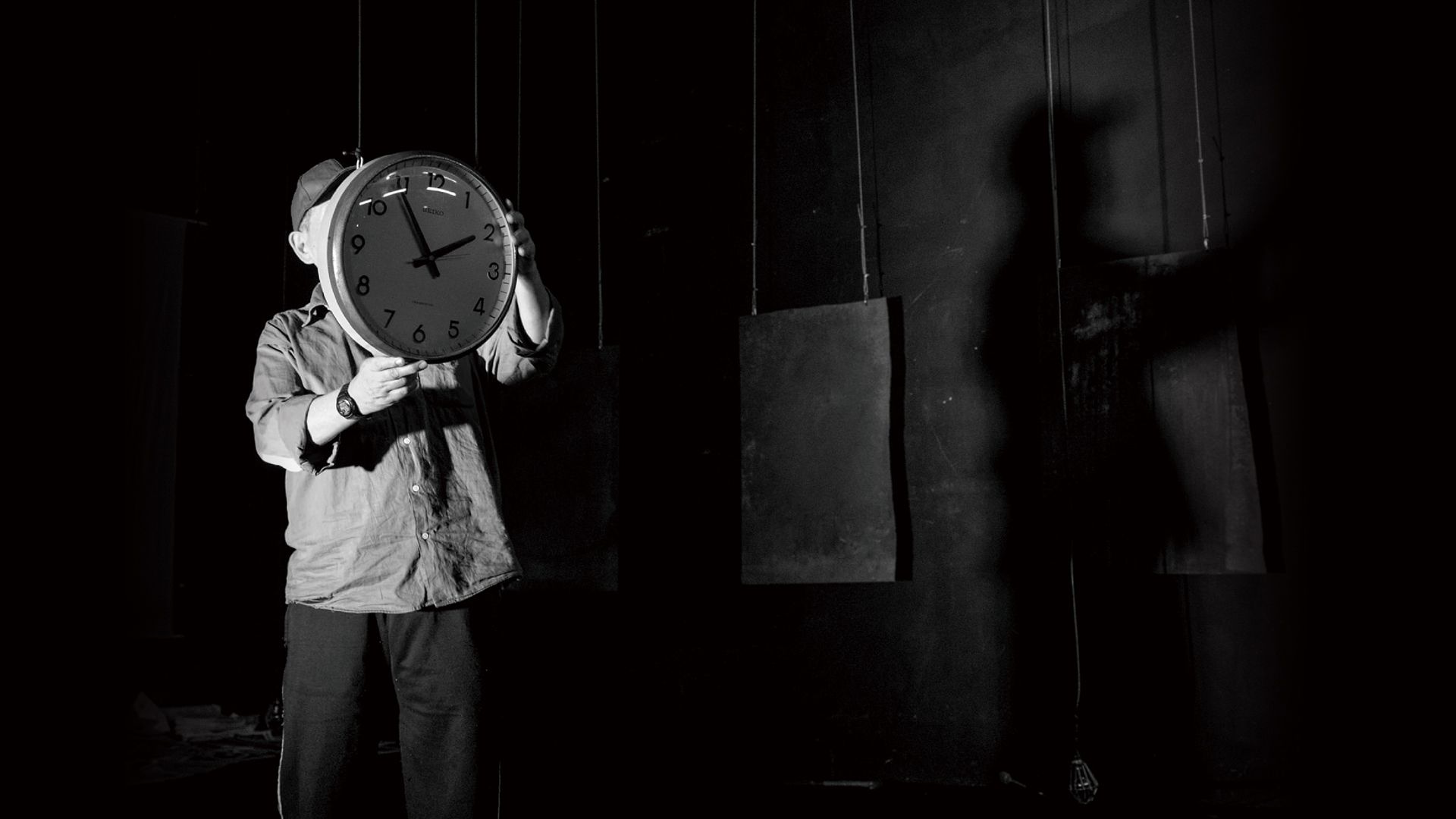
一位老人在聽一盤自己三十九歲時的錄音帶──這是貝克特原著《克拉普最後的錄音帶》(1957-1958)於世界舞台上始終呈現的光景。從歷史縱深來看,出生於戰後不久的王墨林步入青少年初始,恰是《克拉普最後的錄音帶》脫稿之時,全球冷戰-台灣戒嚴的時空!如今正值從心所欲之年的台灣劇場人王墨林,如果也有一份「最後的錄音帶」,那究竟有著什麼內容?這些內容會帶動出什麼樣的舞台藝術,以及對這個世界什麼樣的觀想?新生的《最後的錄音》,宛如從地表的另一端出現了接續的劇場靈魂,將要在這個貝克特不曾預知的「未來」,深刻對話。
主持人 吳思鋒
小劇場工作者,藝評人,久居花蓮。主以書寫與編輯工作參與劇場,兼及策劃、製作。關注小劇場的實踐及其譜系的重新閱讀、非都會區劇場的創作與運作、劇場生態與機構化、評論與媒介等面向。現為斑馬線文庫「幕間」書系主編、桃園鐵玫瑰藝術節協同策展人。並於花蓮開設書籍、文獻展閱的「小劇場書電」。
講者 王墨林
王墨林,1949年出生於臺南。臺灣小劇場實踐者暨評論家。1991年創立跨文化/跨領域非主流藝術團體「身體氣象館」。1980年代起,以「身體論」貫串其後策展、導演、論述等工作,曾發動的重要劇場行動、藝術節包括《拾月》、《驅逐蘭嶼的惡靈》、「身體與歷史:表演藝術祭」、「第六種官能表演藝術祭」等。2005-2008 年擔任牯嶺街小劇場藝術總監。王墨林編導的戲劇作品,已有踰二十部之作於亞洲多地演出。著有《台灣身體論》等書。
講者 汪俊彥
康乃爾大學劇場研究與批判理論博士,目前任教於臺大,研究與教學領域為文化翻譯、臺灣當代劇場與跨領域人文。曾獲世安美學論文獎、菁英留學計畫獎學金、傅爾布萊特留學獎學金等。長期擔任表演藝術評論台駐站評論人,並曾擔任國家兩廳院「平行劇場——軌跡與重影的廳院35」策展人、2022-23國立傳統藝術中心「戲曲夢工場」策展人、2021-22台新藝術獎提名觀察人、決審委員、台北表演藝術中心北藝學院2025春季構作課程總導師。
“In that race which daily hastens us toward death, the body maintains its irreparable lead.” — Albert Camus, 'The Myth of Sisyphus'
An old man listens to a tape recording of his thirty-nine-year-old self. This is the enduring stage image of Samuel Beckett’s 'Krapp’s Last Tape' (1957–1958). Looked through the lens of history, Wang Mo-lin—born shortly after World War II—was entering his early adolescence just as Beckett finished this script, a period defined by the global Cold War and martial law in Taiwan. Today, as a veteran figure of the Taiwanese theater who has reached his sunset years, if Wang were to have his own "last tape," what would it contain? What kind of stagecraft would these memories trigger? What view of the world would they offer? This newly birthed production, 'The Last Tape,' feels like an echoing theatrical soul rising from the other side of the globe, ready to stand in dialogue with Beckett within a "future" the playwright could never have foreseen.
Moderator|Wu Sih-Fong
A theatre practitioner and critic based in Hualien, Taiwan, whose work primarily focuses on writing and editing within the performing arts, while also engaging in curatorial, producing, and research projects. Their interests include the practices and historiography of experimental theatre, artistic creation and operations outside metropolitan centres, theatre ecology and institutionalisation, as well as criticism and cultural media.
They currently serve as Editor of the Intermission series published by Zebra Crossing Library and Co-curator of the Taoyuan Iron Rose Festival. In Hualien, they also run Little Theatre Book & Archive, a space dedicated to books, documents, and archival materials related to theatre and performance.
Panelist|WANG Molin
WANG Molin was born in 1949 in Tainan, Taiwan. He is a veteran art/culture critic, playwright, theatre director and performance artist. In the late 1990s, as the pioneer of Taiwanese Little Theatre Movement, Wang organized and produced October(1987), a grand-scale outdoor show in a worn-down warehouse on the beach, and Taiwan’s first “action theatre” event Dispel Orchid Island’s Evil Spirit (1988). In 1991, Wang founded Body Phase Studio as a rudiment of International Performance Art Festival in Taiwan. In 1997, Wang wrote and produced TSOU· Oedipus as a rare example of collaboration between a Taiwanese civil troupe and China Youth Art Theatre in Mainland China during that time. From 2005 to 2008, he served as artistic director of the Guling Street Avant-garde Theatre. His theatrical works have been performed in Tokyo, Hong Kong, Beijing, Shanghai, Seoul, Busan, Macau and other cities. His publications include Post-Shōwa Japan, Urban Body and Theatre, Essays On Body, and others.
Panelist|WANG Chun-Yen
WANG Chun-Yen holds a BA in Chinese Literature and an MA in Drama and Theatre from National Taiwan University, and received his PhD in Theatre Arts from Cornell University. WANG teaches various courses, including Cultural Studies, Interdisciplinary Humanities and Contemporary Taiwan, and Transnational Chinese Theater and Cultural Criticism. He is the recipient of the S-AN Aesthetics Award, Taiwan Merits Scholarships, Fulbright Scholarship. WANG’s research interest lies in contemporary Taiwanese theatre and cultural translation, and has long focused on the relationship between epistemology and aesthetics. In recent years, he concentrates on the interdisciplinary performance of global Chinese.
折扣方案
本場為免費講座,名額有限,索完為止。
退票期限:
最遲須在演出日1日前(不含演出日)辦理,逾期無法受理。
例:演出日為6/29,最後退票期限為6/28。
退票手續費:
每張退票收取票面售價10%手續費。換票視同退票,需退票後重新購買。
申請方式:
【選擇電子票或尚未取紙本票】
- 以「信用卡、行動支付、文化幣全額支付」購票:
請使用OPENTIX線上退訂單功能,至會員>訂單紀錄>點入要退訂的訂單,按下「退訂單」勾選欲退項目,線上完成退訂。
※請留意,每日23:30-00:00為系統結算期間暫停服務。請務必留意退票期限,提前申請。
※購買團票、套票或其他無法使用退訂單功能時,請至網站勾選項目1,填寫訂單資料辦理。申請的退票如符合退票規則,將於3個工作日內執行退票作業。 以「ATM轉帳、現金」購票:
請至網站勾選項目2,填寫訂單資料並附上存摺照片辦理,申請的退票如符合退票規則,將於3個工作日內執行退票作業。
※ATM轉帳繳費時產生的轉帳手續費由銀行收取,如有退票情形(含換、補票及節目異動之退票),轉帳手續費恕無法一併退還。
【已取紙本票】
請由下述退票方案擇一辦理:
- 臨櫃退票:請於服務時間內,至OPENTIX臺北、臺中、臺南、高雄四大服務處辦理。
- 郵寄退票:請將存摺影本(刷卡購票無須提供)、票券、姓名電話等聯絡資訊於退票期限前(郵戳為憑),掛號郵寄至「100012臺北市中正區中山南路21-1號 OPENTIX 退票小組收」。退票郵寄前請記下票面之訂單編號,並請妥善保存掛號收據。
※郵寄退票之退票手續費發票將預設存入OPENTIX會員載具,如有其他需求,請郵寄後致電客服中心(02)3393-9888。
※以ATM轉帳或現金付款之票券,將在收到郵寄退票申請後,最遲10個工作日內轉帳至所提供之存摺帳戶;以刷卡付款之票券,退票款項將退還至原刷信用卡。
注意事項:
如購票時使用文化幣或點數折抵,退票時,系統將退還折抵之全額文化幣,並於扣除退票手續費後,優先退還點數,再將剩餘款項退回。特別提醒,退票時(含換、補票及因節目異動之退票),原訂單所抵用的點數、文化幣、優惠券已逾使用效期,恕無法補發或展延效期。(如優惠券發放之主辦單位另有規劃者,依該主辦單位規範辦理)
【優惠組合退票】若購買兩個品項以上之優惠組合,退票須全數辦理退票,或退票後剩餘數量仍符合原優惠組合規則,方可辦理。
【套票退票】套票退票需整套辦理,無法以單張票券申請退票,亦不接受換票。如購買不同場次票券,最遲需於所購買的首場演出日1日前(不含演出日)辦理,如套票另有規定者,請依套票頁面之注意事項為主。
※ 依據文化部「藝文表演票券定型化契約應記載及不得記載事項」第3點規定,若本節目因故取消、延期舉行之主要表演人員或主要節目內容,於預定表演前發生變動時,相關退票機制、受理方式、退款途徑等資訊,將另行公告於本節目頁面;若遇上述異動情境,主辦單位未提供退款機制時,以信用卡購票之持卡人,可向原信用卡發卡行申請信用卡爭議款退款。