2026北藝學院︱構作與創作秋季課程
TPAC Campus | 2026 Creative Dramaturgy: Autumn Program
購票資訊
節目介紹
2026/11/15 (日) 14:30 講座1|中島那奈子 X 高林白牛口二
2026/11/16 (一) 19:30 講座2|中島那奈子 X 高林白牛口二
2026/11/17 (二) 19:30 講座3|中島那奈子
講座1-3 為舞蹈構作套票 (錄影場) ▶購票連結‼️提醒:講座1~3僅售套票,上方不另列單場場次。請點選「舞蹈構作套票」購買,內含講座1~3各1張,享9折優惠。
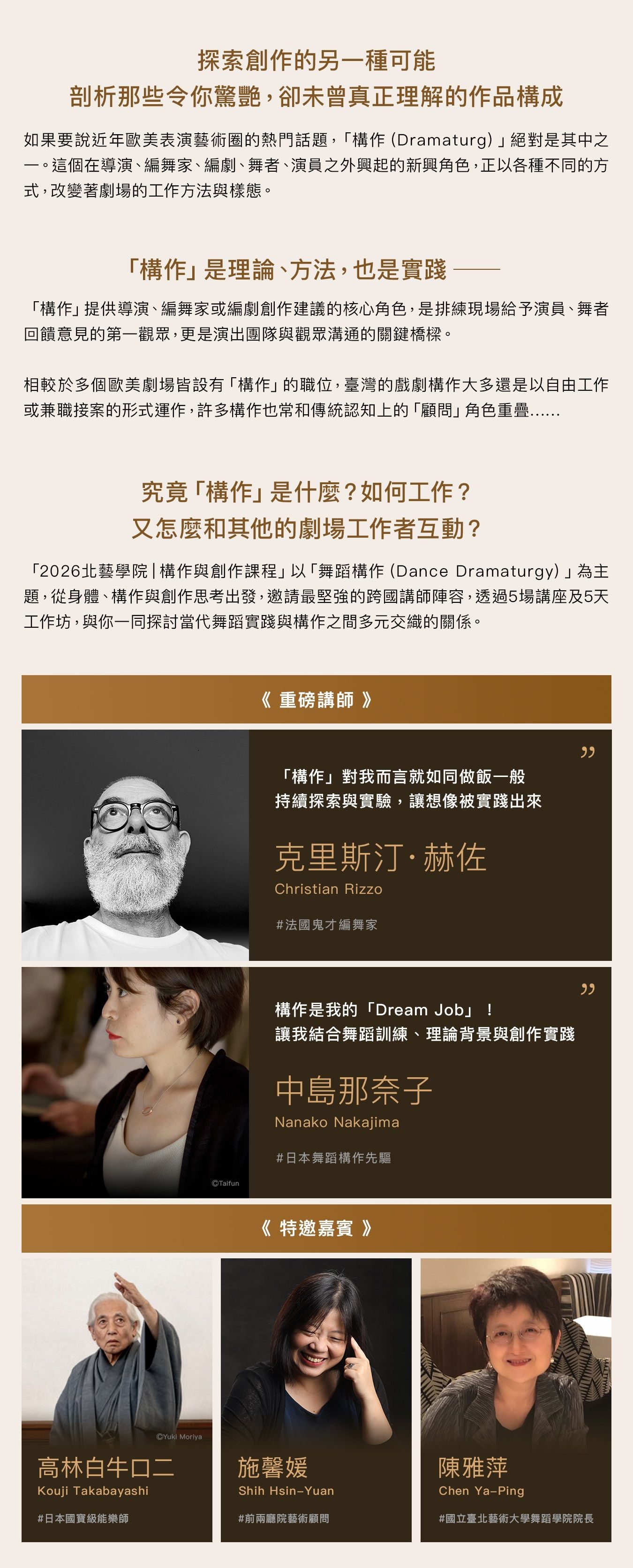
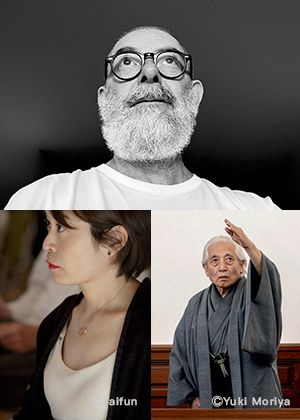
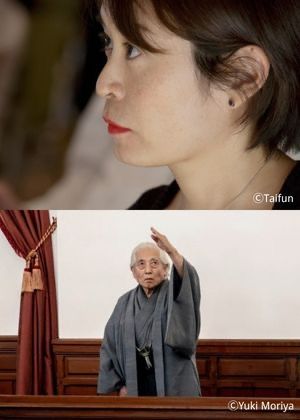
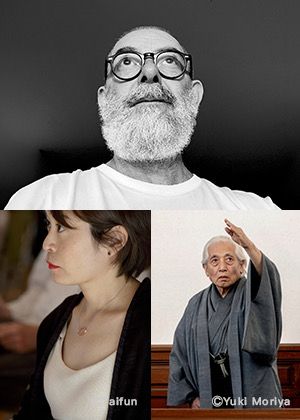
克里斯汀・赫佐及中島那奈子將分別從創作實踐、身體思維及舞蹈構作等面向,引導聽眾及學員重新思考創作、觀看與表達的關係;並邀請日本能樂師高林白牛口二、前國家兩廳院藝術顧問施馨媛及國立臺北藝術大學舞蹈學院院長陳雅萍共同參與講座,開啟不同文化與身體實踐之間的對話。
除了系列講座外,課程亦規劃由克里斯汀・赫佐親自帶領身體工作坊,透過實作引導學員從創作現場重新理解構作(Dramaturgy)作為創作方法的可能性。
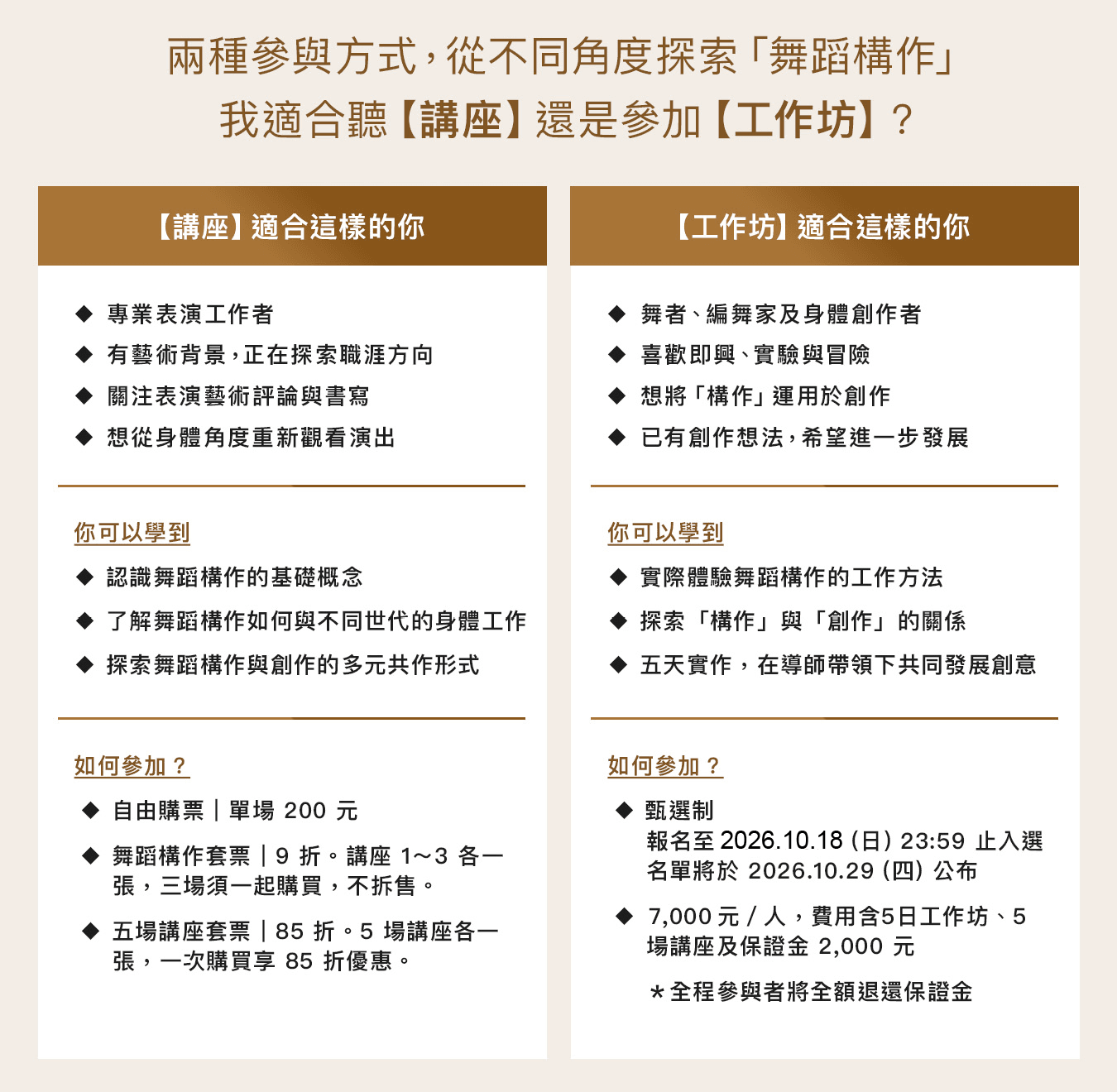
工作坊甄選:2026.9.7 (一) 12:00 起至 2026.10.18 (日) 23:59 止,入選名單將於 2026.10.29 (四) 公布。
7,000 元/人(費用含 5 日工作坊、 5 場講座及保證金 2,000 元,全程參與者將全額退還保證金)▶甄選報名
【課程介紹】
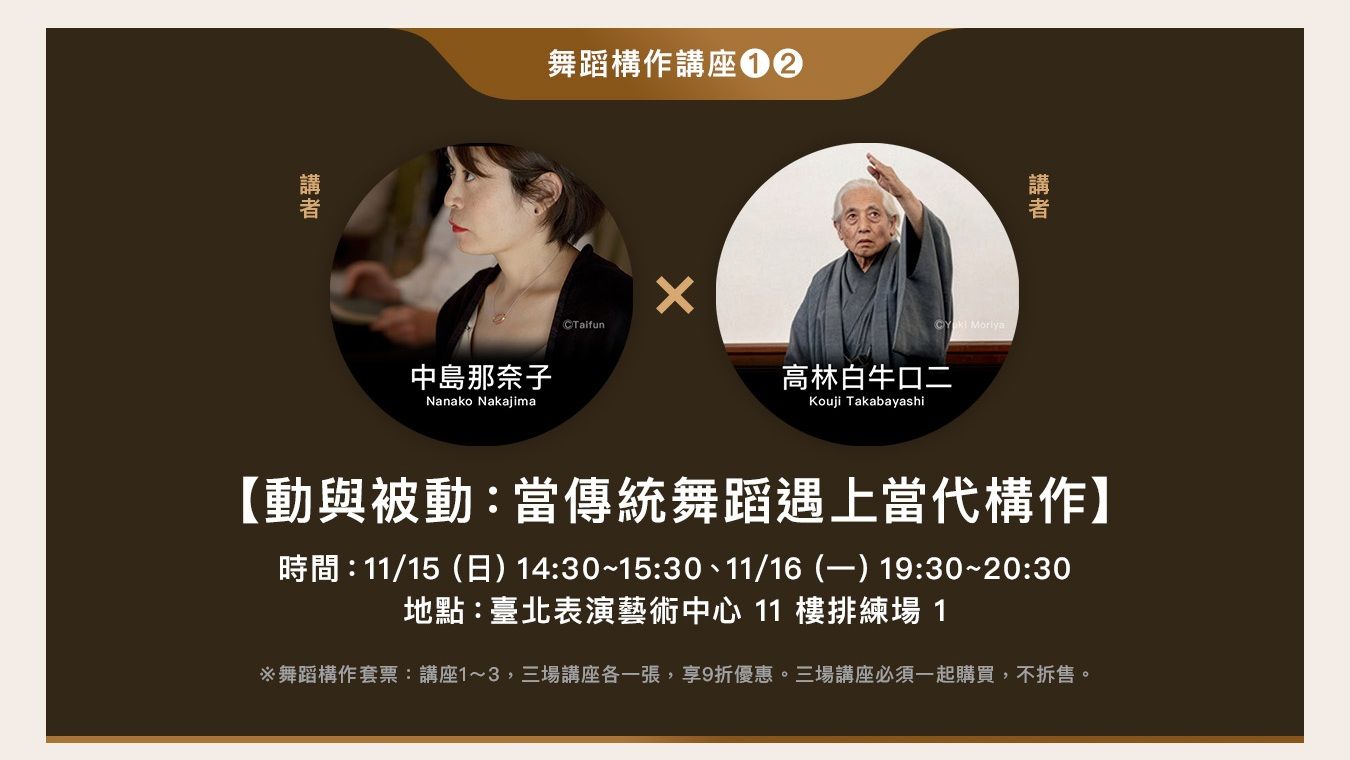
我希望我們的對談能提供另一種觀看老化的角度,不只是將其視為身體機能的衰退,而是將老化理解為一個過程:身體所承載的傳統知識與藝術經驗得以持續發展,並隨著時間推移,為表演開啟新的可能性──中島那奈子
中島那奈子和高齡90歲的能樂師高林白牛口二曾有幾次合作經驗。2017年,中島邀請高林演出伊凡.瑞娜(Yvonne Rainer)的舞作〈Trio A〉。當時已年逾八十的高林,與年齡介於二十至五十多歲的五位舞者共演。憑藉多年累積的經驗與能樂訓練,他以中島未曾想像過的方式,將這些身體條件、訓練背景與養成各異的演出者揉合在一起。自此之後,中島與高林持續合作,他們之於舞蹈、老化與能樂的討論也持續至今。
▍超越二元的角色界定,「舞蹈構作」與「藝術家」如何發展出新的工作方式?
中島與高林的合作關係,很難以單純的「舞蹈構作」與「藝術家」來界定。兩人有時共同進行討論,有時彼此支持,甚至難以分辨,究竟是誰在協助誰。能樂的演出結構中,沒有明確區分導演、編舞家或舞蹈構作,而是由所有參與者共同工作;經驗豐富的高林也會在過程中協助年輕表演者。從中島的角度來看,高林所扮演的角色,其實與北歐當代舞蹈中的舞蹈構作有些相似。有時,高林給予年輕藝術家的建議,也與中島對當代舞蹈藝術家所提出的觀察十分相近。這也讓中島重新思考:究竟誰才是舞蹈構作?又是誰在為誰提供支持?
▍90歲人間國寶親臨現場,親身演繹老化的身體如何舞動
日本與臺灣部分的傳統舞蹈文化共享著對於長者的尊重;與此同時,兩地的舞蹈文化也都深受歐美現代舞與當代舞的影響。面對彼此交織的歷史,中島那奈子也希望能於此次的講座中,超越單純比較歐洲與日本對於老化的態度,與高林一同探問:不同的文化價值是如何彼此矛盾卻又找到共存的方法?當我們身處一個往往重視年輕及身體能力的當代舞蹈文化中,又該如何從年長藝術家的知識與經驗中學習?而老化的身體又可能如何挑戰這些價值?
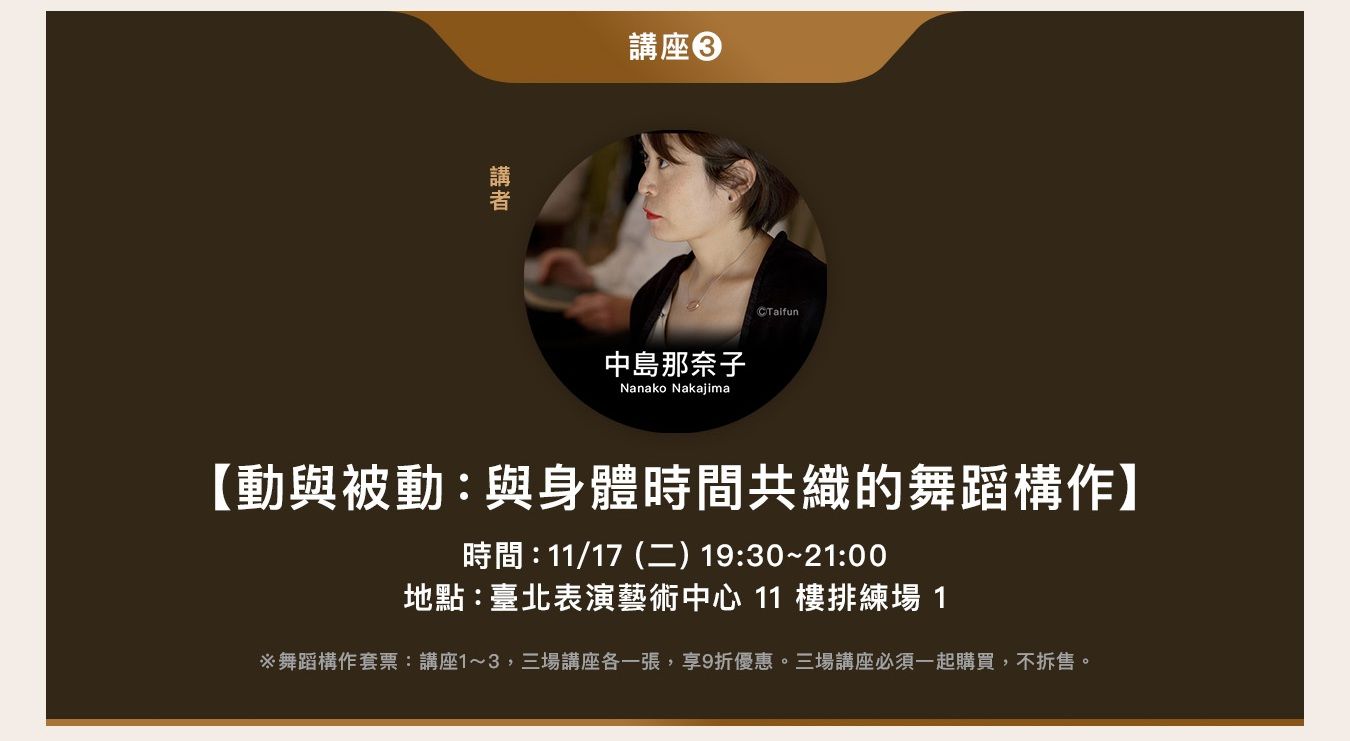
所有人從出生那刻起就在經歷「老化」,沒有人可以倖免。因此我所研究的老化並非僅止於年長的舞者或藝術家,更是關於我們所有人如何面對自己日漸老化的身體──中島那奈子
中島那奈子長期研究的美國後現代舞者、編舞家、影像工作者伊凡.瑞娜提出,表演者理想上應該是「中立的行為者(neutral doer)」,是一種存在於主體與客體空間之間的主體。也因此,瑞娜認為,相對於技巧、理論又或者是將舞蹈作為某種奇觀,人們應該將關注置於「做」的動作(the act of doing)本身。這樣的概念啟發了中島,讓她開始剝除外在的表象,看見舞者的身體如何移動,而這些身體之中又牽引著什麼樣的知識和歷史。
隨著瑞娜的創作關注轉向老化身體,中島也發現,歐美和日本對於「老化」的舞者身體有著非常不同的看法:我們鮮少看到年長的歐美舞者在演出中扮演核心的角色,然而在許多日本傳統的舞蹈之中,許多60、70歲的舞者不但仍相當活躍、廣受敬重,甚至如電影《國寶》的主角般,獲頒「無形文化財」的殊榮。
在本次講座中,中島將透過日本傳統戲劇和當代歐洲舞蹈的多個案例,重新脈絡化瑞娜的理論。從舞蹈構作的角度,運用瑞娜提出之「動與被動」(moving and being moved)的概念,深入舞者自身的能動性(agency),以及那些推動舞者身體的他者、歷史與環境等多重因素,並試著探究:「不應動者要如何移動?應動者要如何移動?」
講座中,中島也將分享自己長年作為舞蹈構作建立起的工作方法。他認為:「創作一部舞作需要透過實作來思考,既是實務也是理論。」「構作」一事不是將理論強加在實作之上,而是一種藉由實作來進行思考的方法,而且觀眾也會參與這個過程。當編舞的探索遇到瓶頸時,理論往往是突破難關之道。另一方面,藝術實作又有可能進展得比當代哲學和社會學論述更快。對身為舞蹈構作的他而言,最為珍貴的,或許正是與藝術家一同走在這條路上,見證創意思考如何在實作之中發生,並不斷走向尚未可知的方向。
⭐ 舞蹈構作套票:2026.9.7(一)12:00起,購買「2026北藝學院︱構作與創作秋季課程」講座1~3,三場講座各一張,享9折優惠。三場講座必須一起購買,不拆售。▶購票連結
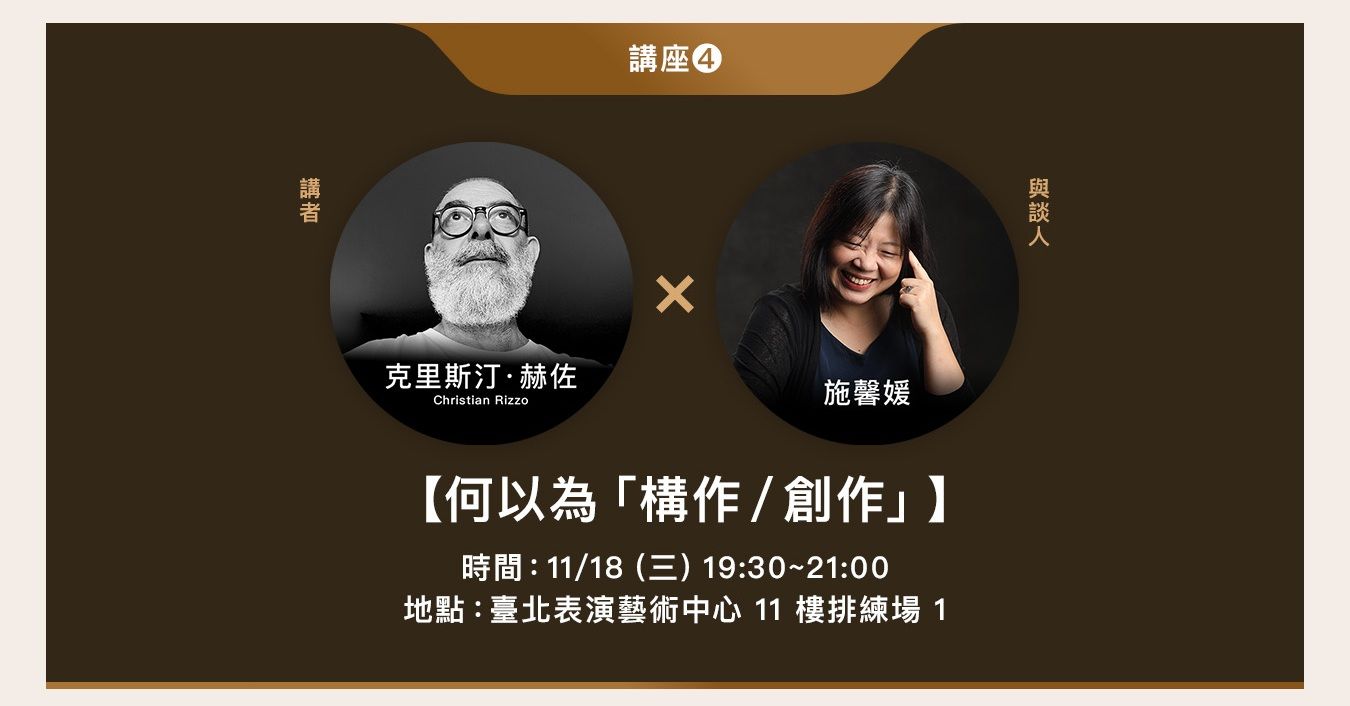
「構作」並非止於形式的排列、身體或動作而已,而是要帶出空間,讓不同的存在與彼此相遇,不同的物質進行對話,視野得以漫遊,且讓時間以不同的方式被感受──克里斯汀・赫佐
在這次講座中,赫佐將帶領觀眾一窺他的創作方式。比起物件的製作,他更關注的是『關係』的創造:一場表演如何找到氣息?空間如何從單純的場景,轉化為體驗的發生場域?光線、聲音、舉止、靜默、動作等元素,如何形成一種不以敘事為目的的構作,而是讓各種狀態與彼此之間的碰撞得以浮現?
在創作中,赫佐使用舞台上種種元素的間隙、摩擦,和脆弱的平衡狀態來構作,由此形成一種關係性的書寫,既關注身體之間浮現的事物,也關注身體與空間之間的連結。這次講座會是一場開放、不設限的交流,探討創作的各種過程:在創造一部作品時,隨之而來的種種構作舉措、直覺、轉變,和不確定性。
另外,赫佐的分享將觸及聆聽、流動、感知的構築方式、對場域的記憶、音樂、舞台美學、舞蹈等面向。對於他而言,這些並非各自獨立的領域,而是互相召喚、轉化、滋養的力量。這場講座也試圖邀請人們進入一種「持續流動的思考方式」:在其中,創作或構作也許意味著迎向意外,讓各種形式得以呼吸,讓空間本身成為關注核心、形成關係,和存在的場域。
在赫佐的創作實踐裡,「直覺」是一項至為根本的構作工具。
對赫佐而言,「直覺」是長時間經驗累積與沉澱的結果,其中蘊含著知識、傳承,以及我們發聲的場域。
在抽象的編舞實作當中,「敘事」的用意是什麼?
倘若敘事的形式刻意與「說故事」的概念背道而馳,我們又要怎麼勾勒敘事的形式呢?
我們應該依據主題或主體來創造敘事,還是應該讓敘事從作品的形式中自然浮現?
中島那奈子將藉由伊凡.瑞娜提出之「動與被動」的概念,探索不同舞蹈文化的構作敨示。她從日本能劇的角度來探討:「無法移動之物要如何移動?」以及從現代舞的脈絡來看:「應移動之物要如何移動?」
瑞娜追尋的理論,會透過傳統日本戲劇和當代歐洲舞蹈來脈絡化,赫佐和中島兩人會在這個後現代的理論架構裡帶入種種敘事,這些敘事或基於某些主題或主體,或源自作品的形式本身,工作坊將探索各種舞蹈文化中的敘事和構作。
⭐五場套票:2026.9.7(一)12:00起,購買「2026北藝學院︱構作與創作秋季課程」五場講座各一張,享85折優惠。▶購票連結
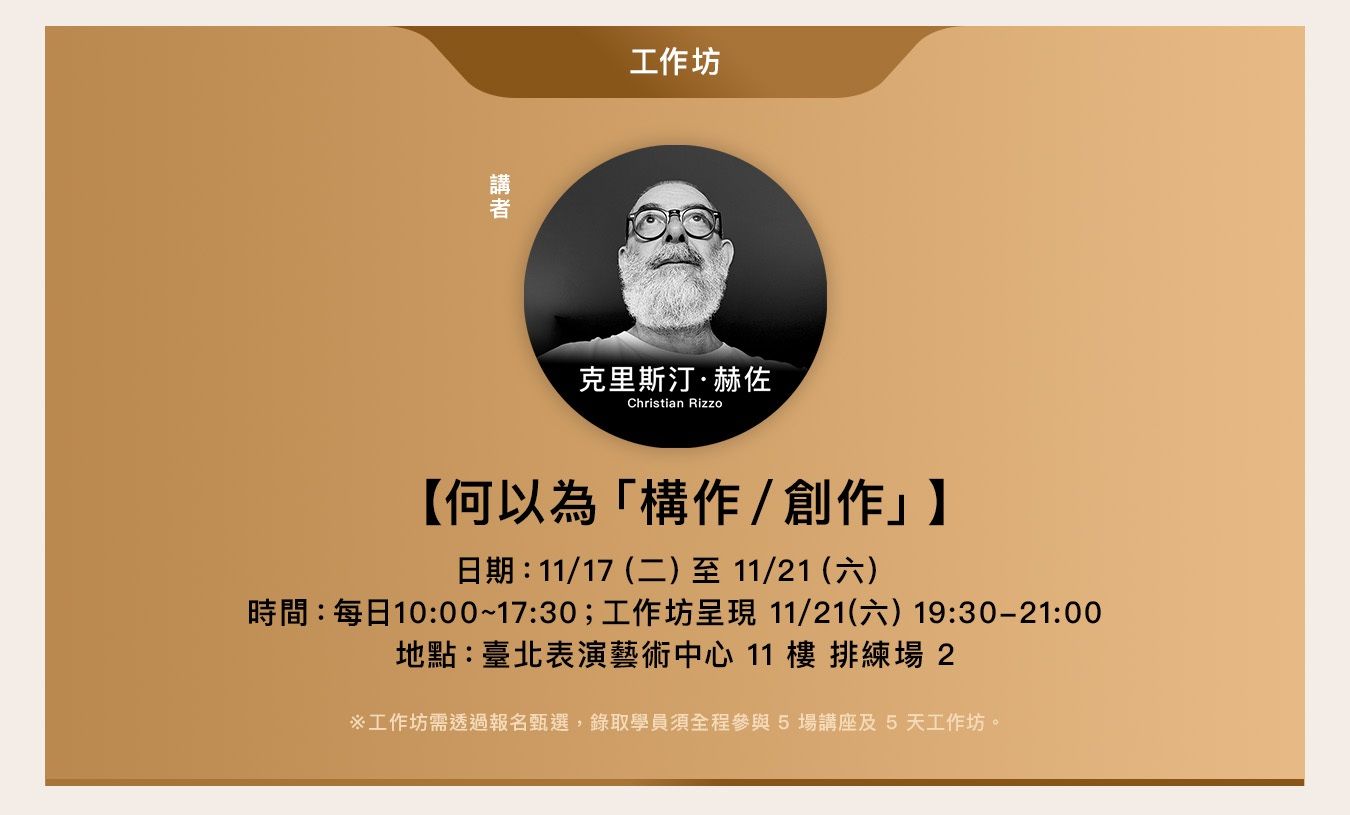
一場由參與者共同形塑的有機旅程
從感知觀察、即興實驗、集體工作探索創作/構作的另類可能
創作的起點不是既定的主題或敘事,而是從創作者自身的處境——從外在環境、身體、節奏、關係和侷限中找到出發點。工作坊將從一連串提問出發:我為什麼要開始?我要怎麼去看?什麼事情在形塑我的決定?參與者將重新思考創作如何逐步浮現,以及每一項抉擇如何影響作品的發展──克里斯汀・赫佐
▍創作/構作的詰問
我們為什麼要開始創作?創作在什麼情況下變得有必要?在現今的時空,將某個形式創生出來代表什麼意義?
在這場工作坊中,創作不會從預先設定的想法、主題或敘事出發,而是始於自身當下的存在,從當下的脈絡、侷限、阻力、潛力出發。而「構作」不會被視為一種等著被填人的框架,而是透過積極、主動的行為,將可感知之事組織起來。場域、身體、節奏、關係、狀態都會成為構作的素材。
時間是怎麼被表述的?某個情境是怎麼出現、轉變、持續,或消失的?哪些事物會形成門檻、斷裂點、延宕,或連續性?即使是再微小的決定,又怎麼會涉及構作?在此次工作坊的工作過程中,這些抉擇、猶疑的點將清晰浮現,赫佐也將與參與者一同就此進行深入的討論。
▍具有覺察力的觀看練習
我在尋找什麼?我怎麼去尋找?我從哪裡開始去尋找和決定?這過程當中牽涉到哪些習慣、陳套和假設?我今天勾勒的路途——不論是真實的、想像的,或感知的——是什麼?
放慢腳步,四處看看聽聽,觀察哪些事物在我們週遭,哪些事物會穿過我們,由此來建構一種既非說明性亦非裝飾性的表述。我們在創作時,是在對誰說話?對於他者的目光,我們怎麼引領、移開,或者有時保持距離?構作在此視為一種與觀眾之間、活生生的關係,亦即共享一段經驗,而非傳達某個訊息。
在工作坊中,我們將透過上述幾個問題的討論與練習,試著將自己的選擇定位,理解正在發生的事,哪些事物會有阻力,哪些又需要改變。
▍自主性的集體工作實驗
我為什麼需要與他人一同工作?如何在集體工作中保有自主性?集體工作如何滋養創作/構作?
此外,赫佐也會在工作過程中,引領參與者關注獨自工作與集體工作的交替;「集體工作」在此我們視為一個可以共同構作的空間。「有自主性」不代表獨自孤立工作,而是有能力做出可以理解的抉擇,持續保持這些抉擇,和評斷這些抉擇對整體的影響。「集體」於焉成為構作之器:在這個空間裡,種種關係、傾聽、對抗會帶出種種決定。
在工作坊裡,參與者會藉由具體情境、即興練習、簡單的限制,和集團創造,去觀察時間、空間、身體與他者之間的關係,並且發現「構作」一事怎麼從創作的過程中自然發生,而非追尋既定的結果或形式。「集體」本身即是重要的劇場構作工作,讓創意關係在聆聽、對話、反應之中產生。赫佐將引導參與者暫時放下以結果為導向的思維,反思「創造」本身的必要性,並且透過持續的實踐和反思,發展出屬於自己的藝術方法和構作視角。
工作坊甄選:2026.9.7 (一) 12:00 起至 2026.10.11 (日) 23:59 止,入選名單將於 2026.10.29 (四) 公布。
7,000 元/人(費用含 5 日工作坊、 5 場講座及保證金 2,000 元,全程參與者將全額退還保證金)▶徵選報名
【講師陣容】(依課程開始時間排序)
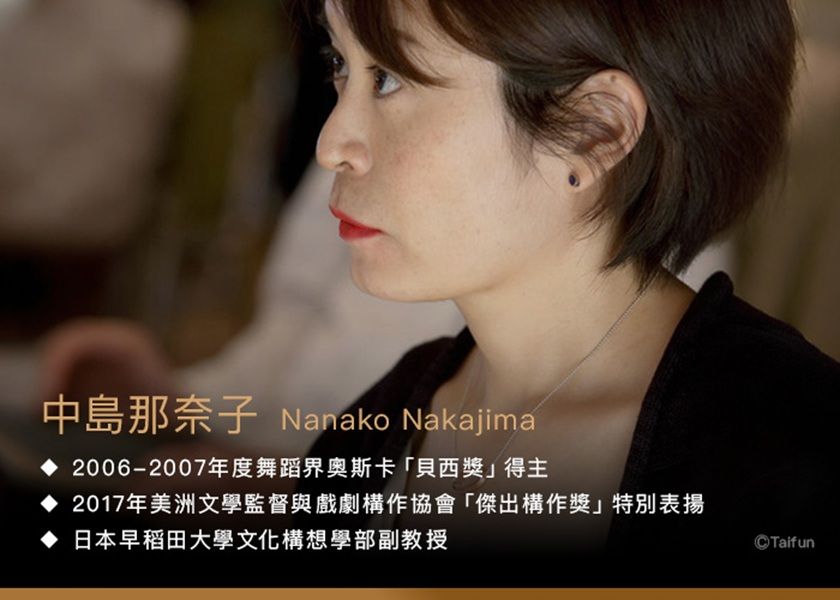
舞蹈學者、舞蹈構作、日本舞踊「藤間流」師範(傳授者;藝名:藤間勘那惠),工作足跡遍及美國、歐洲與亞洲各地的藝術節、劇院、大學,並且致力將「老化」(Aging)相關的研究融入舞蹈構作,現任日本早稻田大學文化構想學部副教授。
中島那奈子與紐約藝術家Luciana Achugar一同構作之作品《舞蹈空間企畫:窮盡之愛》(Exhausting Love at Danspace Project)曾獲得2006–2007年度貝西獎(New York Dance and Performance Award,俗稱The Bessies),本人亦獲得2017年美洲文學監督與戲劇構作協會(Literary Managers and Dramaturgs of the Americas)傑出構作獎(Elliott Hayes Award for Outstanding Achievement in Dramaturgy)之特別表揚。
曾任2022年澳洲凱爾編舞獎(Keir Choreographic Award)評審、2019–2020年擔任柏林自由大學劇場研究所「Valeska Gert客座教授計劃」客席學者,2022–2024年擔任加拿大班夫藝術創意中心(Banff Centre for Arts and Creativity)專任舞蹈構作,亦曾在新加坡擔任亞洲當代表演藝術學習平台(Certificate Programme for Critical Practice in Contemporary Performance,簡稱[CP]³)講師。
著作包括《舞蹈中老化的身體》(The Aging Body in Dance, 2017);另撰有〈舞踏的檔案與舞碼:川口隆夫《關於大野一雄》〉,收錄於林人中編的《連結的身體:當代表演的文化與生態》(Networked Bodies: The Culture and Ecosystem of Contemporary Performance, 2022)。目前正在撰寫專書《老化的舞蹈構作:跨境穿越世代、舞蹈文化、體現史,探討認同的歷程》(Dramaturgies of Aging: A Journey of Negotiating Identity Across Generations, Dance Cultures, and Embodied Histories in Between Continents; Routledge, 2027)。
個人網站:http://www.nanakonakajima.com/
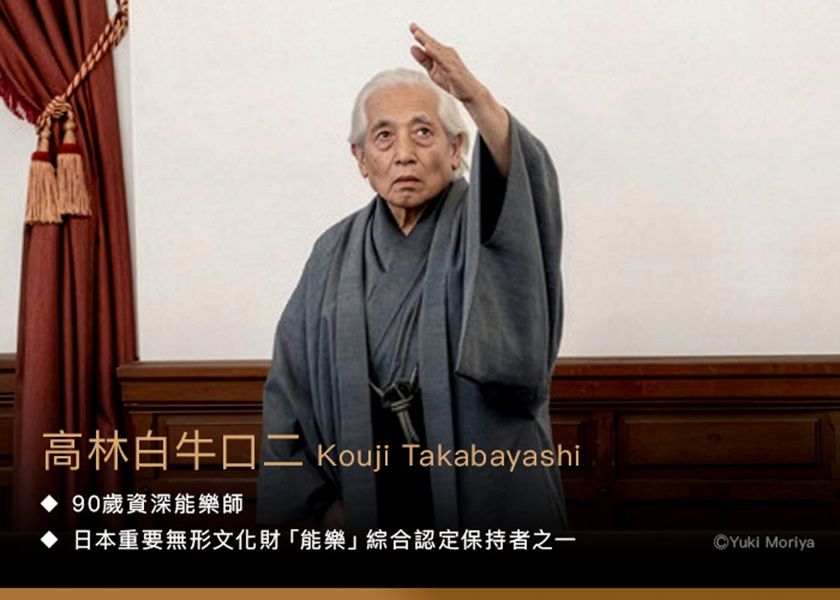
京都「喜多流」能樂師,1935年出生,自幼僅由父親高林吟二(Ginji Takabayashi)教導,1971年成為喜多流職業能樂師。自1982年起,經擁有400年傳統的喜多流京都分部許可,主辦「喜多流涌泉能」表演,致力推廣與延續能劇表演傳統。1938年在《飛鳥川》以兒童角色首次登台,日後出演《卒都婆小町》(1998)、《鸚鵡小町》(2009)、《姨捨》(2012)之「老女物(以老年女性為主角的能劇作品)」主角,自2016年《江口》後正式自仕手演出退休,2017年起參與京都藝術劇場表演藝術研究中心之研究計畫,包括「伊凡.瑞娜展演(Yvonne Rainer Performative Exhibition)」等。2018年第28屆催花賞(Saika Award)得主,2023年3月獲選日本舞評網站《THE DANCE TIMES》當月最佳舞者。
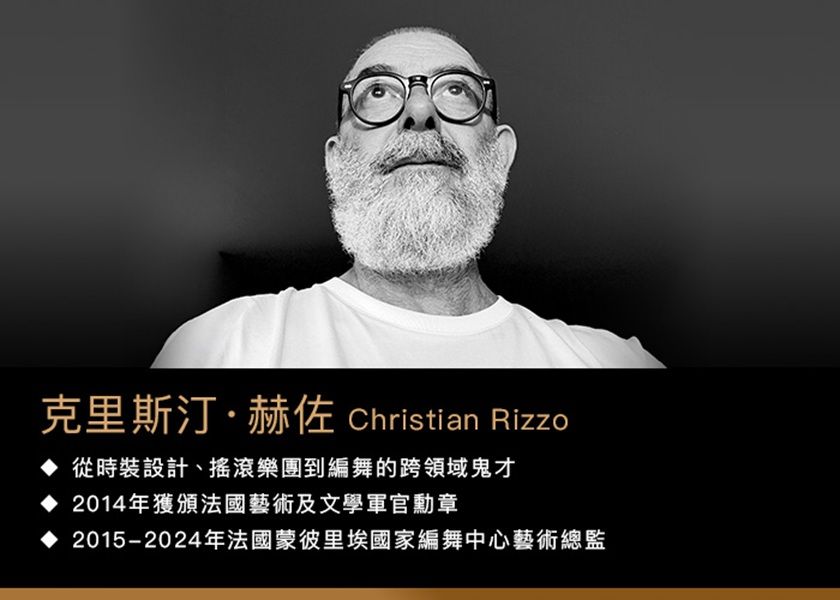
1965年出生於法國坎城,創作語彙不拘於任何單一形式,橫跨編舞、導演、舞台美學、視覺藝術,並曾執導華格納的《唐懷瑟》(Tannhäuser)等多部歌劇;自1990年代中以降發展出的作品,透過細膩的視覺語彙,關注身體、空間與物質的共振關係,至今已參與超過逾40齣作品。
赫佐早期從視覺藝術與音樂的角度接觸藝術創作,除了服裝設計、創立自己的服飾品牌外,還組了搖滾樂團,其藝術創作方式至今仍受早年經驗的影響。即使在1990年代初轉往現代舞、表演藝術和劇場後,他並未屏棄生涯初期的積累,而是將之納入自身的跨域對話中,因此除了創作,也常見赫佐與其他藝術家長期合作,擔任服裝設計或為其創作配樂。他於1997年成立藝術團體「脆弱組織」(l’association fragile),至今能持續推出前衛、具實驗性的跨領域藝術創作。
赫佐在2003年以《不會很久,頂多一個月,等我回來之後再帶你去看早場的戲,這是我曾經答應你的(avant un mois je serai revenu et nous irons ensemble en matinée, tu sais, voir la comédie où je t’ai promis de te conduire)》獲得法國評論人協會年度最佳編舞新秀獎(Prix de la révélation chorégraphique de l'année du Syndicat de la critique)。他也受邀為重要舞團創作,包括里昂歌劇院芭蕾舞團、舞蹈空間舞團、馬賽國立芭蕾舞團等,也參與在巴黎裝飾藝術博物館、龐畢度中心等機構的視覺藝術計畫。
赫佐於2014年獲頒法國藝術與文學勳章(Ordre des Arts et des Lettres),並在2015年成為蒙彼里埃國家編舞中心(ICI–CCN)藝術總監。自2000年中期後,他便與臺灣保持密切關係,除了呈現《依據真實(d'après une histoire vraie)》(2016)、《伊恩症候群(le syndrome Ian)》(2017)、《依據自然(d'après nature)》(2018)等作,也常參與講座或主持工作坊。他在2018年成為臺中國家歌劇院台灣國際藝術節首位外籍策展人,2017年獲頒台法文化獎(Franco-Taiwanese Cultural Prize)。
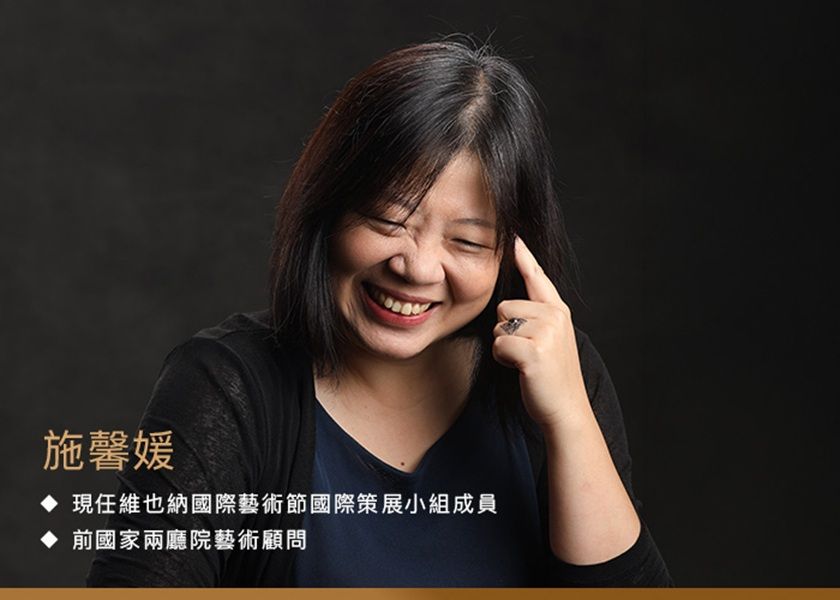
施馨媛為國際文化顧問與策展人,在節目策劃、藝術管理、場館治理及跨國文化外交領域擁有逾二十年的豐富經驗。她於 2024 年獲頒法國文化部「藝術與文學騎士勳章」,目前擔任維也納藝術節(Wiener Festwochen)與紐約水磨坊藝術中心(The Watermill Center)藝術顧問,並受倫敦沙德勒之井劇院(Sadler’s Wells)邀請擔任2025與2027年「ROSE 國際舞蹈獎」全球提名人。
她擁有法國里昂第二大學藝術管理碩士學位,專長於串連歐亞表演藝術網絡、推動區域戰略聯盟,如「亞太表演藝術節網絡」(Asia & Pacific Festivals Connection, APFC)與「永續劇場聯盟」(Sustainable Theatre Alliance for a Green Environmental Shift, STAGES),並策劃「Taiwan Week」等重大國際交流平台。
她曾任職於臺灣國家兩廳院,擔任副藝術總監及節目企劃部國際發展組經理。在此之前,她亦曾於建國工程文化藝術基金會、中華民國建國百年跨年慶典活動以及法國在台協會等機構擔任高階主管與文化事務推動職務。
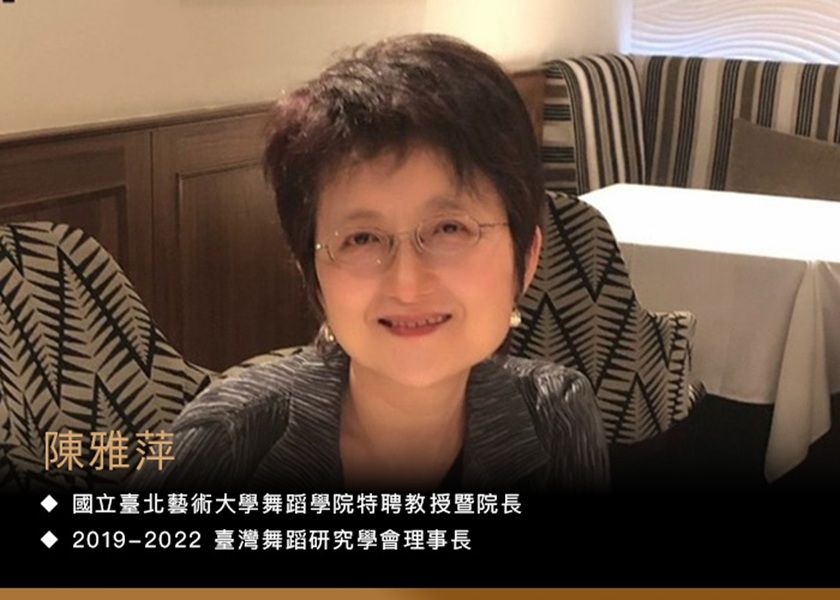
舞蹈學者、舞評人。國立臺北藝術大學舞蹈學院特聘教授暨院長。曾任臺灣舞蹈研究學會理事長(2019-2022),現任常務理事。美國紐約大學(NYU)表演研究博士。
長年致力台灣舞蹈史研究及書寫,特別關注其中殖民歷史、複重現代性、主體建構、跨文化影響及涵化等議題,出版有專書《主體的叩問:現代性•歷史•台灣當代舞蹈》(2011)。近年亦投注於跨文化身體哲學,跨領域莊學研究、後人類與新物質主義等理論,融入舞蹈研究並寫成專書《凝視無垢:莊子•泛靈•後人類》(2024)。奠基於先前之研究脈絡,目前著力的研究主題為:台灣原民歷史與原民當代舞蹈。
與林雅嵐共同主編《身論集 01:尋•找•亞•洲•身•體》(2021)、《身論集 02:檔案•媒介•技藝》(2024)。近年學術著作亦收錄於中、英論文集:Oxford Handbook of Dance Praxis (forthcoming), The Routledge Companion to Dance in Asia and the Pacific: Platforms for Change (2022),Fifty Contemporary Choreographers, 3rd Edition (2021),Corporeal Politics: Dancing East Asia (2020),《六位香港當代編舞家作品研究(1980-2010):香港當代舞蹈歷史、美學及身份探求》(2019)。
目前正撰寫英文專書Dancing Multiple Modernities: Contemporary Dance in Taiwan (書名暫定),持續深化並擴充對台灣舞蹈史之探究與書寫。
Lectures 1–3|Moving and Being Moved: Dance Dramaturgies of Aging
'No/Yes to moving and being moved': Yvonne Rainer, a US postmodern dancer and filmmaker, once wrote that performers were not themselves; they were neutral doers. "Artifice of performance has been re-evaluated, in that action or what one does, is more interesting and important than the exhibition of character and attitude. That action can best be focused on through the submerging of the personality; so ideally one is not even one’s self, one is a neutral doer."
Rainer is interested in dancers as subjects that exist in the space between subjects and objects. In her transition from dance to film, she has transformed her dancing into cinematic images of objects. The neutral doer is the never-aging moving image, and Rainer also explores the narratives and themes of her aging life in her films. Since returning to dance in 2000, she has adapted her approach to choreography, incorporating her interest in aging bodies in dance.
The aim of these lectures is to re-contextualise Rainer's theoretical interests within the dramaturgies of traditional Japanese theatre and contemporary European dance. With the help of Kouji Takabayashi, a Noh old master, I will explore, as a dance dramaturg, the dramaturgical insights of different dance cultures in my lectures by transferring Rainer's concept of 'moving and being moved'. The dramaturgical questions are: How to move what is not to be moved? How to move what is to be moved?
Although there are many definitions and approaches to dramaturgy, for me, creating a dance performance as a dramaturg involves thinking through practice. It is both a practice and a theory. Doing dramaturgy is not about imposing theory onto practice, but rather it is a specific way of participating in thinking through practice. It is also a process in which the audience participates. Theory often provides us with a way to break through the deadlock of choreographic exploration. On the other hand, our artistic practice can be much faster than current philosophical and social discourse. As a dramaturg, I find it tremendously rewarding to be present during these moments of creative thinking alongside the artists.
Lectures 1 & 2
Date/Time: November 15 (Sun.) 14:30–15:30; November 16 (Mon.) 19:30–20:30
Venue: 11F Studio 1, Taipei Performing Arts Center
Speakers: Nanako Nakajima, Kouji Takabayashi
Lecture 3
Date/Time: November 17 (Tue.) 19:30–21:00
Venue: 11F Studio 1, Taipei Performing Arts Center
Speaker: Nanako Nakajima
Lecture 4|What Composes? A Lecture/Conversation with Christian Rizzo
Date/Time: November 18 (Wed.) 19:30–21:00
Venue: 11F Studio 1, Taipei Performing Arts Center
Panelist: Shih Hsin-Yuan
Speaker: Christian Rizzo
To compose is not simply to arrange forms, bodies, or movements. It is to bring forth a space where presences encounter one another, where materials enter into dialogue, where the gaze is invited to wander, and where time is experienced differently. Through this conversation, Christian Rizzo will offer a window into a practice that is concerned less with producing objects than with creating relationships.
How does a performance find its breath? At what moment does a space become the site of an experience rather than merely a setting? How can light, sound, gesture, silence, or movement give rise to a dramaturgy that does not tell a story, but instead allows states, intensities, and correspondences to emerge? In Christian Rizzo's work, dramaturgy is shaped through intervals, frictions, and fragile balances between the elements that inhabit the stage. It becomes a form of relational writing, attentive both to what appears between bodies and to what connects them to space.
Conceived as an open and generous exchange, this conversation will explore the processes of creation: the gestures of composition, the intuitions, shifts, and uncertainties that accompany the making of a work. It will address listening, circulation, the architecture of perception, the memory of places, music, scenography, and dance—not as separate disciplines, but as forces that call to, transform, and nourish one another.
An invitation to share in a way of thinking in motion, where composing may ultimately mean welcoming the unexpected, allowing forms to breathe, and making space itself a place of attention, relationship, and presence.
This presentation of Christian Rizzo's practice will take the form of a dialogue between the artist and panelist Shih Hsin-Yuan.
Shih Hsin-Yuan is a Taiwanese curator and producer and curator who has collaborated with a wide range of artists and institutions in Taiwan and internationally, including the National Theater and Concert Hall in Taipei. Her long-standing engagement with contemporary performance and cross-cultural artistic exchanges makes her an ideal interlocutor for Christian Rizzo, bringing a thoughtful perspective to their conversation on dramaturgy, composition, and artistic practice.
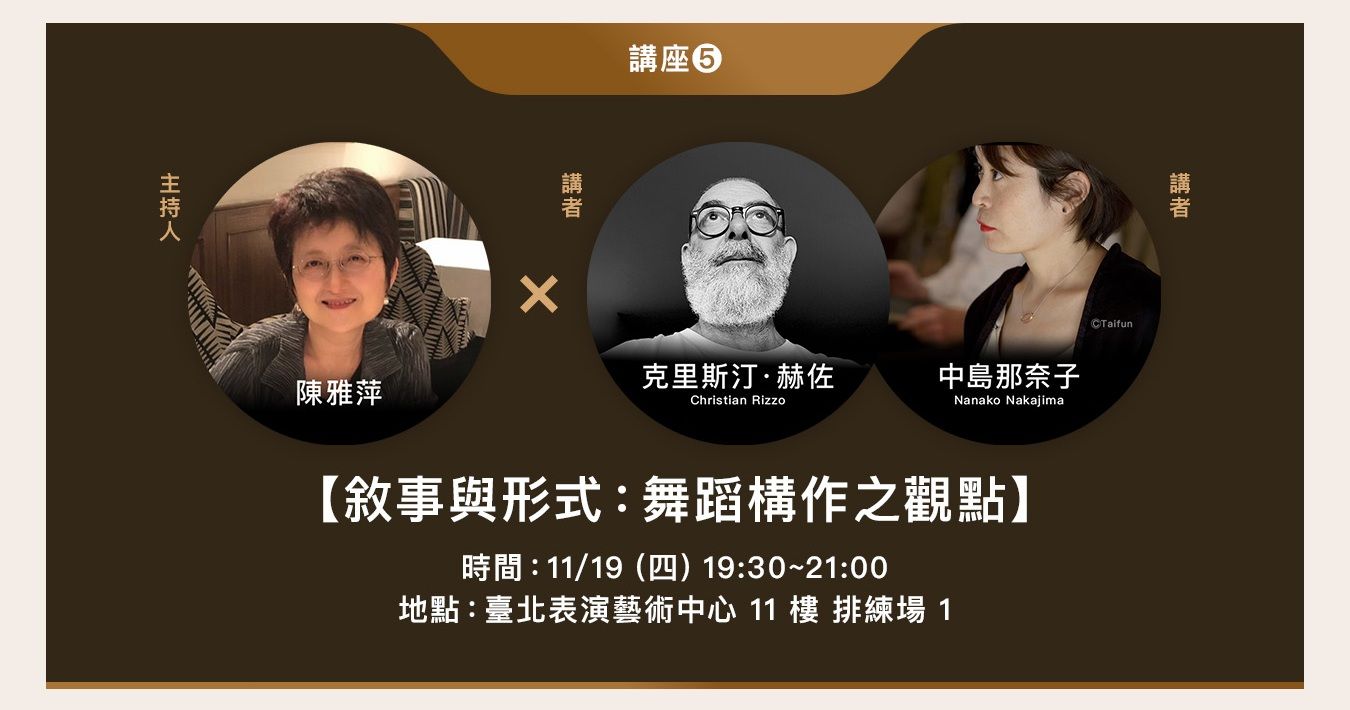
Lecture 5|Narrative and Form: Perspectives on Dance Dramaturgy
Date/Time: November 19 (Thu.) 19:30–21:00
Venue: 11F Studio 1, Taipei Performing Arts Center
Moderator: Chen Ya-Ping
Speakers: Christian Rizzo, Nanako Nakajima
How can dance create forms of narration without relying on storytelling? Bringing Christian Rizzo and Nanako Nakajima into dialogue, this lecture explores how narrative and form can emerge through the body, movement, and choreographic practice.
For Rizzo, intuition is not spontaneous, but grows out of accumulated experience, knowledge, inheritance, and the place from which we speak. Nakajima approaches dance dramaturgy through Yvonne Rainer’s concept of “moving and being moved,” considering how it might be transposed across different dance cultures. Through these perspectives, the lecture examines the relationship between movement, form, and narrative, and asks how dramaturgy can operate beyond conventional storytelling.
【Speakers Introduction】
Lecturer|Nanako Nakajima
Dr. Nanako Nakajima is a dance scholar and dramaturg. She is a certified master of traditional Japanese dance (odori), Kannae FUJIMA. Her dramaturgical work with New York artist Luciana Achugar, Exhausting Love at Danspace Project, won the 2006-2007 New York Dance and Performance Award ("The Bessies"). In 2017, she received the Special Commendation of the Elliott Hayes Award for Outstanding Achievement in Dramaturgy from the Literary Managers and Dramaturgs of the Americas. Dr. Nakajima has worked with festivals, theaters, and universities in the U.S., Europe, and Asia, where she integrates her research on aging into dance. Dr. Nakajima was a juror for the 2022 Keir Choreographic Award in Australia; a Valeska Gert Visiting Professor at Freie Universität Berlin in Germany from 2019 to 2020; a faculty dramaturg in dance from 2022 to 2024 at the Banff Centre for Arts and Creativity in Canada; and a mentor in the Certificate Program for Critical Practice in Contemporary Performance [CP³] in Singapore. She is an associate professor of dance studies at Waseda University in Tokyo. She has delivered keynote lectures at the Universidade Católica Portuguesa, the Institute of Dance & Media Korea, and the National Taiwan University of Arts. Her publications include The Aging Body in Dance (Routledge, 2017) and Networked Bodies: The Culture and Ecosystem of Contemporary Performance (Taipei Performing Arts Center, 2022). She is currently preparing her monograph Dance Dramaturgies of Aging: A Journey of Negotiating Identity Across Generations, Dance Cultures, and Embodied Histories in Between Continents (Routledge, 2027). Following the launch of her bilingual dance dramaturgy website (www.dancedramaturgy.org), she organized Japan’s first dramaturgs' meeting in 2024 and is preparing for a second meeting in Tokyo in 2027–2028.
http://www.nanakonakajima.com/
Panelist|Kouji Takabayashi
Born in Kyoto in 1935, he was trained from an early age exclusively by his father, Ginji Takabayashi. In 1971, he became a professional Noh actor of the Kita school. Since April 1982, he has continued the disclosure performance “Kita School, Yousen Noh” with permission of the Kita school Noh Kyoto, which has a tradition of 400 years, and he has been making efforts to popularize Noh, maintain the tradition, and foster successors. His first stage was “Asukagawa” as Ko-kata, a child role (1938). He played three important Noh — “Sotoba Komachi”(1998), “Oumu Komachi”(2009), and “Obasute”(2012) — all three are included in Roujo-mono (an old woman appears as a protagonist). In 2016, he retired from dancing as Shite after performing “Eguchi”. Since 2017, he has participated in research projects including “Yvonne Rainer Performative Exhibition” at the Kyoto Art Theater Shunju-za. The 28th Saika Award, Best dancer of March 2023 by "Dance Times" critics.
Lecturer|Christian Rizzo
Born in Cannes in 1965, Christian Rizzo is a choreographer, stage director, scenographer, and visual artist whose interdisciplinary practice brings together dance, theatre, visual art, music, and scenography. Originally trained in visual arts at Villa Arson in Nice, he began his artistic career through visual art and music before turning to contemporary dance, performance, and theatre in the early 1990s.
In 1997, he founded Association fragile, through which he has created more than twenty-five choreographic works, alongside performances, installations, and exhibitions. His work explores the relationships between bodies, spaces, materials, memory, and disappearance. His major works include toutes sortes de déserts (2007), le bénéfice du doute (2012), le syndrome Ian (2016), une maison (2019), miramar (2022), and je vais t’écrire (2024).
From 2015 to 2024, Rizzo served as Director of the Centre Chorégraphique National de Montpellier Occitanie, which he developed into ICI—CCN (International Choreographic Institute), focusing on artistic research, interdisciplinarity, education, and public engagement. He has also created works for major dance and opera institutions and served as Artistic Director and curator of international festivals.
Since the mid-2000s, Rizzo has maintained a close artistic relationship with Taiwan, regularly presenting his work, leading workshops, and developing long-term collaborations. In 2017, he received the Franco-Taiwanese Cultural Prize, and in 2018 became the first international artist appointed Artistic Director of the Taiwan International Festival of Arts, organised by the National Taichung Theater.
In 2025, he reactivated Association fragile in southwestern France and created à l’ombre d’un vaste détail, hors tempête for the Lyon Dance Biennale. He is Associate Artist at the Centre National de la Danse (CND) for the 2025–2026 seasons. His distinctions include the French Critics' Union Grand Prize for Dance, the SACD Choreography Prize, and the FEDORA–Van Cleef & Arpels Ballet Prize. A recipient of the Villa Kujoyama residency, he will undertake a six-month artistic residency in Kyoto in 2027.
Panelist|Shih Hsin-Yuan
Shih Hsin-Yuan is an international cultural advisor and curator with over two decades of experience in programming, arts management, institutional governance, and cross-border cultural diplomacy. Awarded Chevalier des Arts et des Lettres by the French Ministry of Culture in 2024, she currently serves as an International Advisor for Wiener Festwochen (Vienna) and The Watermill Center (New York), as well as a global nominator for Sadler’s Wells’ ROSE International Dance Prize (London). Holding an M.A. in Arts Management from Lumière University Lyon 2, she specializes in bridging European and Asian performing arts networks, fostering regional strategic alliances such as the Asia & Pacific Festivals Connection (APFC) and the Sustainable Theatre Alliance for a Green Environmental Shift (STAGES), and curating major international platforms including Taiwan Week.
She previously worked at the National Theater & Concert Hall, Taiwan as Deputy Artistic Director and Director of Programming & International Development. Her earlier career includes leadership roles at the Jianguo Cultural & Arts Foundation (CEO), the ROC Centennial New Year’s Eve Celebration (Production Manager), and the French Institute in Taipei (Cultural Attaché).
Moderator|Chen Ya-Ping
Chen, a dance scholar and critic, is Distinguished Professor and Dean of the School of Dance, Taipei National University of the Arts, Taiwan. She was the president of the Taiwan Dance Research Society from 2019 to 2022 and currently serves on its board of directors. She earned a Ph.D. in Performance Studies from New York University.
Chen has dedicated herself to the research and writing about Taiwan dance history since the late 1990s, paying special attention to issues such as colonial history, multiple modernities, subjectivity formation, intercultural influence and acculturation, leading to the publication of her Chinese monograph Enquiry into Subjectivity: Modernity, History, Taiwan Contemporary Dance (2011). In recent years, she has also focused on intercultural corporeal philosophy, transdisciplinary Zhuangzi studies, posthumanism, and new materialism, integrating these theories into dance scholarship to produce the Chinese monograph Beholding Wugou: Zhuangzi, Animism, Posthumanism (2024). Building upon these research lineages, her current research focuses on Indigenous history and contemporary Indigenous dance in Taiwan.
Chen co-edited two Chinese anthologies: Corporeality I: In Search of Asian Corporeality (2021) and Corporeality II: Archives, Bodies, Techniques (2024). Her recent writings also appear in English volumes such as Oxford Handbook of Dance Praxis (forthcoming), The Routledge Companion to Dance in Asia and the Pacific: Platforms for Change (2022), Fifty Contemporary Choreographers, 3rd Edition (2021), Corporeal Politics: Dancing East Asia (2020), as well as in Chinese anthology Six Hong Kong Contemporary Dance Choreographers (1980-2010): Dance History, Aesthetics, and Identity Issues (2019).
She is currently working on an English monograph tentatively titled “Dancing Multiple Modernities: Contemporary Dance in Taiwan”, funded by the National Science and Technology Council, to further deepen and expand her research on Taiwan dance history.
折扣方案
會員優惠:
北藝中心會員──成癮玩家、團隊玩家9折
舞蹈構作套票:
2026.9.7(一)12:00起,購買「2026北藝學院︱構作與創作秋季課程」講座1~3,三場講座各一張,享9折優惠。三場講座必須一起購買,不拆售。
五場套票:
2026.9.7(一)12:00起,購買「2026北藝學院︱構作與創作秋季課程」五場講座各一張,享85折優惠。
其他優惠:
1. 身心障礙人士及其必要陪同者(限1人)享5折,入場時應出示身心障礙手冊,陪同者與身障者需同時入場。
2. 年滿65歲以上長者購票5折,入場時請出示有效證件。
3. 身分證戶籍地址設於士林區民眾9折,入場時請出示有效證件。
展演須知
◎本活動全程進行平面及影像紀錄,報名即同意主辦單位取得活動影像拍攝肖像權。
購票方式
※本活動購票時開立發票。
- 網路購買(信用卡、Apple Pay、Google Pay、ATM轉帳),請先加入會員。
※如本節目所提供之折扣方案設有「需使用文化幣折抵」限制,該折扣僅限網路購買。 - 分銷點、OPENTIX服務處購買(現金、信用卡),查詢服務據點詳細資訊。
※分銷點購票僅提供「會員載具」及「愛心捐贈」兩種發票索取方式。如有其他發票索取方式需求,請至OPENTIX服務處或於網路購買。 - 超商購買(現金)7-ELEVEN ibon、全家FamiPort、萊爾富Life-ET,僅提供電腦自動選位,每筆訂單至多可訂購8張票券。
※超商僅提供「手機載具」及「愛心捐贈」兩種發票開立方式。如有其他發票索取方式需求,請至OPENTIX服務處或於網路購買。
※如本節目有以下優惠,無法於超商購買:- 輪椅席及輪椅陪同席。
- 優惠套票及每會員購買張數、次數限制的折扣方案。
- 須一次購買超過8張的折扣方案。
取票方式
實際取票方式請依結帳頁面顯示的選項為準。取票方式僅能擇一,如需選擇不同取票方式,請分次購買。
- 分銷點取票(分銷點資訊)
- 超商取票 7-ELEVEN ibon、全家FamiPort、萊爾富Life-ET(每張票券需於超商支付10元手續費,每筆訂單至多可領取8張票券)
- 國內郵寄(另收50元郵資)
- 部分場館與主辦單位提供電子票(提供電子票單位列表)
退票期限:
最遲須在演出日1日前(不含演出日)辦理,逾期無法受理。
例:演出日為6/29,最後退票期限為6/28。
退票手續費:
每張退票收取票面售價10%手續費。換票視同退票,需退票後重新購買。
申請方式:
【選擇電子票或尚未取紙本票】
- 以「信用卡、行動支付、文化幣全額支付」購票:
請使用OPENTIX線上退訂單功能,至會員>訂單紀錄>點入要退訂的訂單,按下「退訂單」勾選欲退項目,線上完成退訂。
※請留意,每日23:30-00:00為系統結算期間暫停服務。請務必留意退票期限,提前申請。
※購買團票、套票或其他無法使用退訂單功能時,請至網站勾選項目1,填寫訂單資料辦理。申請的退票如符合退票規則,將於3個工作日內執行退票作業。 以「ATM轉帳、現金」購票:
請至網站勾選項目2,填寫訂單資料並附上存摺照片辦理,申請的退票如符合退票規則,將於3個工作日內執行退票作業。
※ATM轉帳繳費時產生的轉帳手續費由銀行收取,如有退票情形(含換、補票及節目異動之退票),轉帳手續費恕無法一併退還。
【已取紙本票】
請由下述退票方案擇一辦理:
- 臨櫃退票:請於服務時間內,至OPENTIX臺北、臺中、臺南、高雄四大服務處辦理。
- 郵寄退票:請將存摺影本(刷卡購票無須提供)、票券、姓名電話等聯絡資訊於退票期限前(郵戳為憑),掛號郵寄至「100012臺北市中正區中山南路21-1號 OPENTIX 退票小組收」。退票郵寄前請記下票面之訂單編號,並請妥善保存掛號收據。
※郵寄退票之退票手續費發票將預設存入OPENTIX會員載具,如有其他需求,請郵寄後致電客服中心(02)3393-9888。
※以ATM轉帳或現金付款之票券,將在收到郵寄退票申請後,最遲10個工作日內轉帳至所提供之存摺帳戶;以刷卡付款之票券,退票款項將退還至原刷信用卡。
※已索取紙本發票者,須將紙本發票繳回辦理退票。
注意事項:
如購票時使用文化幣或點數折抵,退票時,系統將退還折抵之全額文化幣,並於扣除退票手續費後,優先退還點數,再將剩餘款項退回。特別提醒,退票時(含換、補票及因節目異動之退票),原訂單所抵用的點數、文化幣、優惠券已逾使用效期,恕無法補發或展延效期。(如優惠券發放之主辦單位另有規劃者,依該主辦單位規範辦理)
- 【優惠組合退票】若購買兩個品項以上之優惠組合,退票須全數辦理退票,或退票後剩餘數量仍符合原優惠組合規則,方可辦理。
【套票退票】套票退票需整套辦理,無法以單張票券申請退票,亦不接受換票。如購買不同場次票券,最遲需於所購買的首場演出日1日前(不含演出日)辦理,如套票另有規定者,請依套票頁面之注意事項為主。
如訂單開立發票,申請退換票將由OPENTIX代為處理銷貨退回或折讓證明單。
※ 依據文化部「藝文表演票券定型化契約應記載及不得記載事項」第3點規定,若本節目因故取消、延期舉行之主要表演人員或主要節目內容,於預定表演前發生變動時,相關退票機制、受理方式、退款途徑等資訊,將另行公告於本節目頁面;若遇上述異動情境,主辦單位未提供退款機制時,以信用卡購票之持卡人,可向原信用卡發卡行申請信用卡爭議款退款。